-
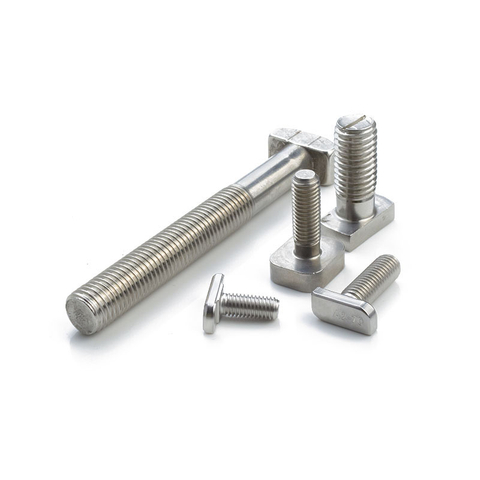 Stainless Steel 304 316 T Bolt Hammer Head Bolt T Head Bolt Hammer Head Screw
 -
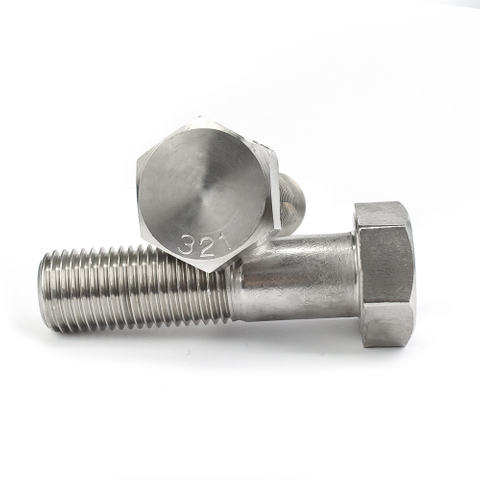 Din933 Din931 Stainless Steel 321 Half Thread Hex Bolt Hex Head Bolt Hexagonal Bolt Special Material Hex Bolt
 -
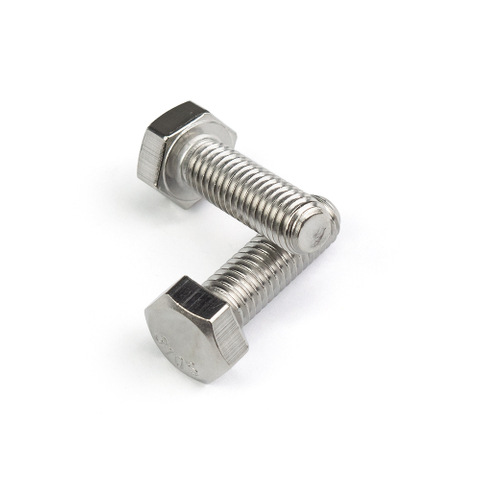 Din933 Stainless Steel 310s 310S(2520) Stainless Steel Full Thread Hex Bolt Hex Head Bolt Hexagonal Bolt
 -
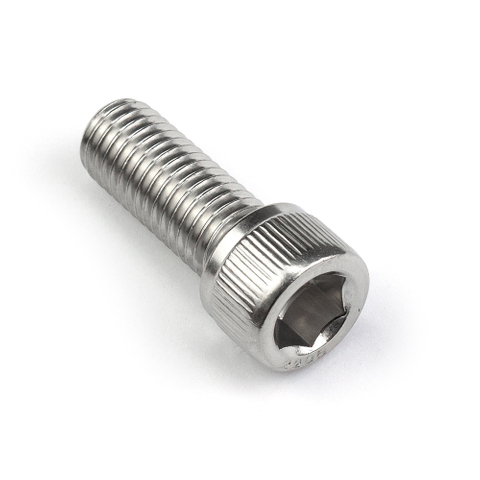 Super Austenitic Stainless Steel Din912 2205 Hex Socket Bolt Allen Bolt Hex Socket Cap Screw
 -
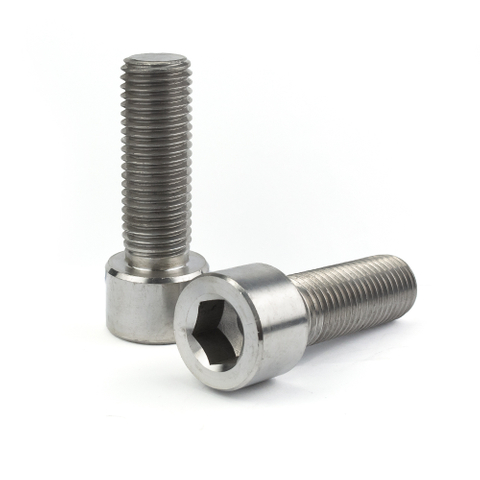 Din912 Stainless Steel 321 Hex Socket Bolt Allen Bolt Screw Hex Socket Cap Screw
 -
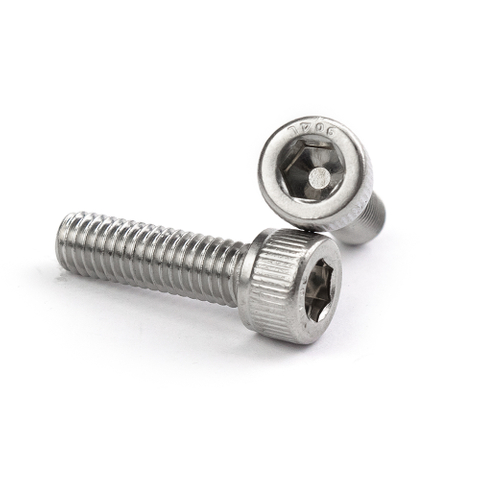 Super austenitic stainless steel Din912 Stainless Steel 904l Hex Socket Bolt Allen Bolt Hex Socket Cap Screw
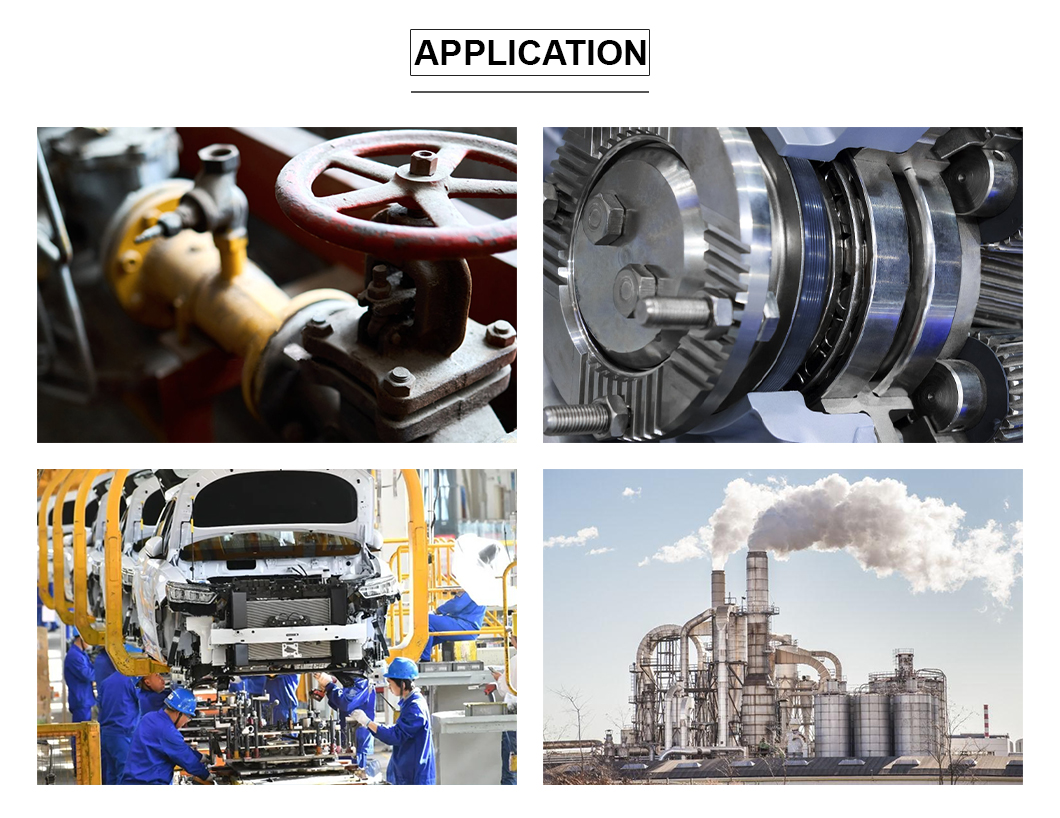
Core Applicable Industries
Automotive Manufacturing: Suitable for fixing vehicle chassis, engines and components, focusing on high strength and anti-loosening & shock resistance to adapt to driving vibration.
Home Appliances & Electronics: Used for fixing precision components and chassis of air conditioners, small appliances, etc., focusing on precision threads and rust resistance to adapt to fine assembly.
Building Steel Structure: Suitable for heavy-duty scenarios such as high-rises and bridges, focusing on high load-bearing capacity and weather & corrosion resistance to withstand outdoor environments.
Mechanical Equipment: Suitable for assembly of various equipment, highlighting fatigue resistance and impact resistance to adapt to long-term operation.
New Energy: Suitable for scenarios such as photovoltaic and wind power, emphasizing high and low temperature resistance and corrosion resistance to adapt to outdoor working conditions.
Rail Transit: Used for fixing high-speed rail, subway vehicles and tracks, focusing on high reliability and anti-loosening & anti-theft, meeting strict standards.
Core Technical Features
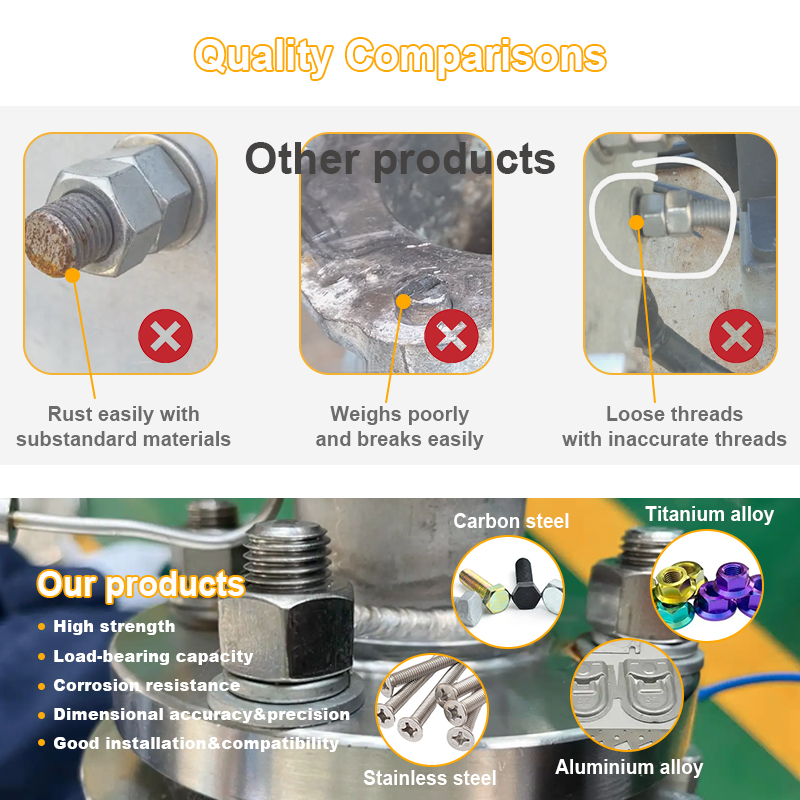
High Strength Grade: Full coverage of 4.8-12.9 grades, with strong tensile and shear resistance, suitable for light to heavy loads, ensuring safety under high loads.
Anti-Loosening Design: Multiple anti-loosening solutions to resist vibration-induced loosening, reducing maintenance costs, suitable for vibrating equipment.
Corrosion-Resistant Coating: Including galvanizing, blackening and other processes, resisting rainwater and salt spray corrosion, extending service life.
Precision Thread: CNC machining, with regular threads and precise engagement, smooth installation, suitable for precision assembly.
Fatigue Resistance: Optimized structure to avoid stress concentration, not easy to fail under repeated stress, suitable for long-term operation.
Product Specification Information
Size Range: Full coverage of M3-M64, adapted to precision, general-purpose and heavy-duty scenarios, supporting customization.
Strength Grade: Gradient division of 4.8-12.9 grades, adapted to ordinary, general industrial and heavy-duty scenarios.
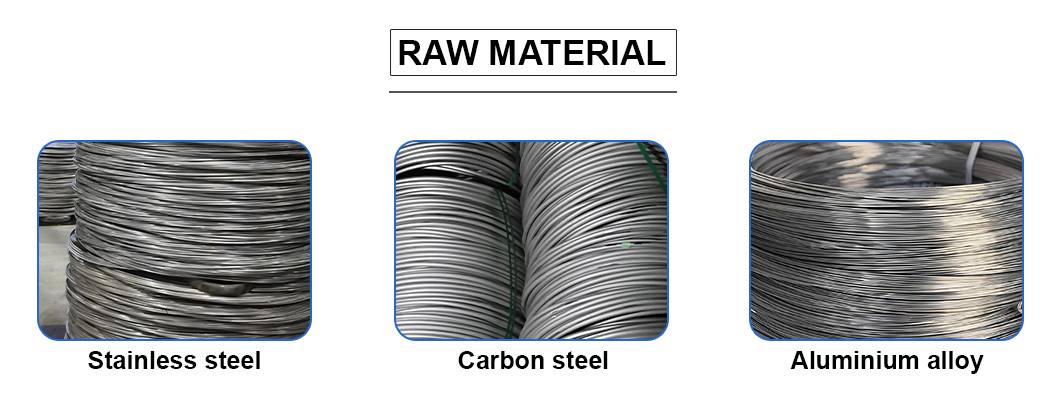
Optional Materials: Carbon steel (cost-effective), stainless steel (corrosion-resistant), alloy steel (high-strength).
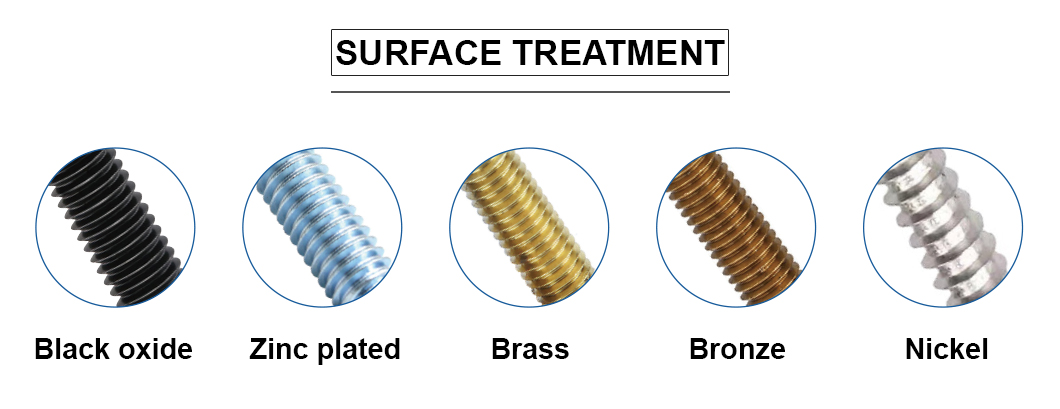
Surface Treatment: Galvanizing, blackening, nickel plating, etc., adapted to ordinary and aesthetic anti-rust scenarios.
FAQ
Selection-related
Q1: What are the size range and strength grades of BOLT bolts? How can one make an accurate selection?
A1: The size range covers M3 to M64 of all specifications. M3 to M12 is suitable for precise scenarios, M14 to M36 is suitable for general scenarios, and M39 to M64 is suitable for heavy-load scenarios. The strength grades cover 4.8 to 12.9 levels. 4.8 level is suitable for ordinary light loads, 8.8 level is suitable for general industries, and 10.9 to 12.9 levels are suitable for heavy-load and harsh working conditions. The selection needs to be combined with the application industry, the force situation, and the environment.
Q2: What are the differences in application scenarios for carbon steel, stainless steel, and alloy steel bolted parts?
A2: Carbon steel bolts have high cost-effectiveness and are suitable for indoor dry ordinary fastening scenarios; stainless steel bolts are corrosion-resistant and are suitable for humid, outdoor, and coastal environments prone to corrosion; alloy steel bolts have high strength and anti-fatigue properties, and are suitable for heavy-load, high-vibration industrial scenarios (such as construction machinery, rail transit), and can be selected as needed.
Technical-related
Q3: What are the core advantages of BOLT bolt's anti-loosening design and which scenarios are they suitable for?
A3: It adopts multiple anti-loosening schemes, which can effectively resist the loosening of bolts caused by equipment vibration and mechanical impact, reducing maintenance costs. It is mainly suitable for vibration-prone scenarios such as automotive manufacturing, rail transit, and mechanical equipment.
Q4: What are the usage precautions for high-strength grades (10.9/12.9 levels) of bolted parts?
A4: They are suitable for heavy-load and high-bearing capacity scenarios. When using, the preload should be controlled to avoid overload breakage; after electroplating, hydrogen removal is required, and outdoor use requires an anti-corrosion coating to prevent stress corrosion breakage.
Procurement and Customization-related
Q5: Are there in-stock bolted parts of regular specifications? What is the delivery cycle?
A5: Regular-sized bolted parts of M3 to M64, regular strength grades of 4.8 to 12.9, common materials, and surface treatments are all in stock. After placing an order, the goods will be dispatched within 1-3 working days. Bulk purchases can enjoy discounts.
Q6: Can non-standard-sized bolted parts be customized? What is the customization process and cycle?
A6: We can undertake non-standard customization. We support personalized customization of size, strength, material, etc. The process is: provide parameters to the engineer → engineer evaluation → quotation and sample production → confirmation of production. The cycle is 5-10 working days (adjusted according to the difficulty of customization).
Industry and Environment Adaptation-related
Q8: Which core industries are BOLT bolted parts suitable for? Are there exclusive solutions for each industry?
A8: It is suitable for six core industries: automotive manufacturing, home appliances and electronics, building steel structures, mechanical equipment, new energy, and rail transit. We provide exclusive solutions for each industry's working conditions.
Q9: Are there special protection measures for bolted parts used in outdoor/high-temperature environments?
A9: There are dedicated protection schemes: for outdoor use, stainless steel + hot-dip galvanizing/anti-corrosion treatment is selected; for high temperature (≤500℃), heat-resistant alloy steel + high-temperature coating is selected; for low temperature (≤-70℃), low-temperature-specific materials are selected. Customization can be done as needed.
