


What is a self-drilling screw?
Views: 0 Author: Site Editor Publish Time: 2025-09-10 Origin: Site


A self drilling screw has a sharp drill point that lets you drill, tap, and fasten in one motion. You do not need to make a pilot hole. This self-drilling design saves time and effort. See how much faster it works:
Feature | Traditional Screw | Self Drilling Screw |
|---|---|---|
Need for Pre-drilling | Yes | No |
Average Installation Time (per screw) | 5 seconds | 2 seconds |
Time Savings | N/A | 60% |
A self drilling screw gives you a quick, simple way to join materials. You will see self-drilling screws in many building and repair jobs.
Key Takeaways
Self-drilling screws save time by combining drilling and fastening in one step, eliminating the need for pilot holes.
Proper installation techniques, such as using light pressure and monitoring for overheating, ensure effective use and prevent screw failure.
Choosing the right self-drilling screw size and material is crucial for achieving strong, reliable connections in various projects.
How Self-Drilling Screws Work
Drill Point Design
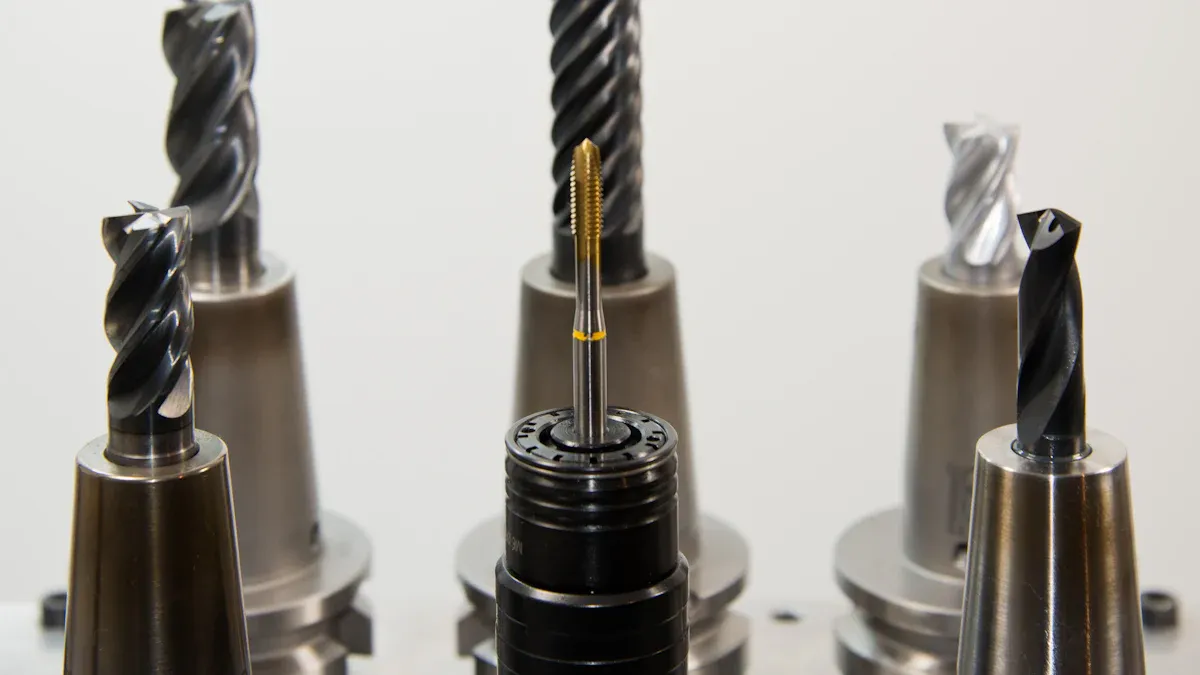
When you look at a self drilling screw, you will notice a sharp, drill bit-shaped point at the tip. This unique feature sets it apart from other fasteners. The drill point allows the self-drilling screw to create its own hole as you drive it into materials like steel, aluminum, or wood. You do not need a separate drill bit or a pilot hole. The sharp tip cuts through the surface, while the threads follow behind to grip the material tightly.
The geometry of the drill point plays a big role in how self-drilling screws are made and how well they perform. The length of the point decides how thick a material you can drill through. If the threads engage too early, the screw might bind or even break. The angle and shape of the cutting edges, the flute design, and the pilot section all help the screw penetrate smoothly. Drill flutes remove chips and prevent overheating, which keeps the screw working well.
Tip: The shape of the drill point is fixed during manufacturing. You cannot adjust it, so always choose the right self drilling screw for your project.
Self drilling screws work faster than self tapping screws for metal or plastic because they combine drilling and fastening in one step. This design saves you time and effort, especially when you need to install many screws in a row. You will find self-drilling screws especially useful in metal roofing, cladding, and framing jobs.
Here is a quick look at common materials that work well with self-drilling screws:
Material | Characteristics |
|---|---|
Steel | Durable and strong, suitable for most uses. |
Stainless Steel | Excellent for outdoor or corrosive environments. |
Aluminum | Light and less prone to corroding than regular steel. |
Brass | Often used in decorative applications. |
Installation Process
You can install a self drilling screw quickly if you follow the right steps. Start by aligning the screw perpendicular to the surface. This helps the drill bit-shaped point bite into the material. Use a power drill or screw gun with the correct driver bit. Set the torque to the lowest setting that still drives the screw in fully. This prevents over-tightening and damage.
Follow these steps for a smooth installation:
Place the screw tip into a small dent or mark on the surface.
Hold the drill steady and apply firm, even pressure.
Let the self-drilling tip do the work. Do not force the screw or use too much speed.
Watch for overheating. If you see discoloration at the tip, slow down or reduce pressure.
For thick or hard metal, you may drill a small pilot hole to help the screw start.
Drive the screw until the head sits flush with the surface. Do not overtighten.
Clean up any metal shavings to prevent rust or leaks.
Check that each screw holds tight and lines up with the others.
Note: Using the right installation techniques helps you avoid common problems like point burnout or screw breakage. Light pressure and the correct RPM keep the screw sharp and effective.
The speed and efficiency of self drilling screw installation depend on several factors:
RPM (revolutions per minute) of your drill. High RPM can burn out the point.
The amount of pressure you use. Too much pressure causes heat and dulls the tip.
The thickness and hardness of the material.
The length of the drill flute. It should match the material thickness.
If you use self drilling screws in metal roofing, look for versions with built-in washers. These create a weather-tight seal and prevent leaks. Stainless steel or coated screws resist corrosion in harsh environments.
You might wonder, how do self drilling screws work so efficiently? The answer lies in their design. The drill bit-shaped point creates the hole, and the threads tap and fasten in one motion. This eliminates the need for a pilot hole and speeds up your work. When you learn how self-drilling screws are made, you see why they outperform other fasteners in many jobs.
Self drilling screw sizes vary to match different materials and thicknesses. Always select the right size for your project. If you use the wrong size, you risk poor holding power or damage.
Installation techniques matter: Always use light pressure, monitor for overheating, and finish tightening by hand for the best results.
Here are some common failure modes to watch for:
Failure Mode | Description |
|---|---|
Improper Assembly | Errors during assembly can lead to issues such as excessive tightening torque or misalignment. |
Incorrect Tightening of Sealing Washers | If sealing washers are not tightened properly, it can lead to leaks or damage to the washer itself. |
Selection of Appropriate Drilling Performance | Using screws with inappropriate drilling performance can result in inadequate connections or damage. |
When you understand how self-drilling screws are made and how they work, you can choose the best fastener for your job. Whether you need to attach metal panels, build a frame, or install cladding, self drilling screws give you speed, strength, and reliability.
Self-Drilling vs. Self-Tapping
Key Differences
You might wonder how a self drilling screw compares to self-tapping screws. The main difference comes from the tip and how you use each screw. A self drilling screw has a drill bit-shaped point. This design lets you drill, tap, and fasten in one step. You do not need to make a pilot hole. Self-tapping screws, on the other hand, need a pre-drilled hole before you install them. They cut threads as you drive them in, but they cannot make their own hole.
Here is a quick comparison:
Feature | Self-Tapping Screws | Self-Drilling Screws |
|---|---|---|
Functionality | Requires a pre-drilled hole | Drills its own hole and taps threads |
Point Style | Various styles including sharp and blunt | Drill bit-shaped tips that create pilot holes |
Material Compatibility | Can be used on wood, metal, and brick | Primarily for fastening metal to metal or wood |
Installation Time | Slower due to need for pilot hole | Faster as no pilot hole is needed |
Cost | Generally lower due to simpler design | Higher due to additional drilling capability |
A self drilling screw saves you time, especially when you work with metal. You can finish jobs faster because you skip the extra drilling step. Self-drilling screws also give you strong holding power in tough materials. This makes them a top choice for industrial and construction projects where speed and strength matter.
Tip: If you want to work quickly and avoid extra steps, choose a self drilling screw over self tapping screws.
Common Confusions
Many people mix up self-drilling and self-tapping screws. The names sound similar, and both types create threads in the material. Here are some common sources of confusion:
You may hear people use the terms self-drilling and self-tapping as if they mean the same thing.
Some brands use the names in different ways, which adds to the mix-up.
All self-drilling screws are self-tapping, but not all self-tapping screws are self-drilling.
Self tapping screws need a pilot hole. Self drilling screws do not.
If you use self tapping screws when you need a self drilling screw, you might damage your project or slow down your work.
Many users request self tapping screws for metal or plastic, not realizing that a self drilling screw would work better for metal.
The size of the pilot hole is important for self tapping screws to work right.
You should always check the screw tip before you start your project. If you see a drill bit-shaped point, you have a self drilling screw. If the tip looks sharp or blunt but not like a drill, it is a self-tapping screw. Picking the right screw helps you avoid mistakes and get the best results.
How Self-Drilling Screws Are Used
Applications in Metal and Wood
You will find self drilling screws in many industries and projects. If you work in construction, manufacturing, or even DIY, you will see how self-drilling screws are used to save time and effort. These screws work well in both metal and wood, making them a top choice for many tasks.
In metal construction, you often use self drilling screws for:
HVAC installation, where you need to secure ducts and vents quickly.
Manufacturing steel furniture, which requires strong and reliable joints.
Automobile assembly, where speed and precision matter.
Constructing building facades, especially when attaching panels to steel frames.
Sheet metal framing, which needs fast and accurate fastening.
Metal roofing installation, where weather resistance and strength are important.
Sheet metal fabrication, including making enclosures and cabinets.
Framing and structural steelwork, where you need to join heavy steel parts.
In wood projects, you also benefit from self drilling screws. You can use them for:
Roofing and cladding, especially when you need to attach metal sheets to wood.
Sheet metal fabrication that involves wood backings.
DIY furniture projects, where you want a strong hold without splitting the wood.
Drywall installation, where you need to fasten sheets quickly and securely.
Self drilling screws eliminate the need for pre-drilling pilot holes. You save time and reduce labor costs. You also get a strong seal and reliable fastening, which improves the quality of your work. Studies show that self-drilling screws outperform self-tapping screws for metal and wood in stress distribution and deformation. You get better results and fewer problems.
Results from torque and pullout tests show that self-drilling screws create less stress and deformation around the screw interface than self-tapping screws. This means your projects last longer and stay secure.
If you use Type 17 points in self drilling screws, you can work with hardwoods and MDF without splitting or damaging the material. You do not need to drill holes first, which saves you even more time.
Benefits and Selection Tips
You gain many benefits when you choose self drilling screws for your projects. The main advantage is time savings. You do not need to switch between drill bits and screwdrivers. You finish your work faster and with less effort. This is true for both professionals and DIY enthusiasts.
Here is a table that shows how self drilling screws help you save time in your projects:
Evidence Description | Time Savings Impact |
|---|---|
Self-drilling screws eliminate the need for pre-drilling pilot holes. | Saves significant time in DIY projects. |
They integrate drilling and screwing actions into one step. | Allows for quicker project completion. |
Can halve the time required for certain tasks. | Invaluable for both professionals and DIY enthusiasts. |
In manufacturing, you see even more benefits:
Benefit | Description |
|---|---|
Material Suitability | Highly effective with compact materials including steel and hard metals where manual pilot holes are difficult. |
Installation Efficiency | Provides faster installation, which is crucial in projects where time and labor costs are critical. |
Usage Scenarios | Ideal for electronic assemblies needing minimal damage and for commercial buildings requiring strong structural performance. |
You also get versatility. Self drilling screws come in many sizes, shapes, and materials. You can use them for almost any job, from light-duty tasks to heavy-duty construction. You just need to pick the right screw for your material and environment.
When you select a self drilling screw, consider these important factors:
Factor | Description |
|---|---|
Material | Choose based on the operating environment; 304 for indoor, 316 for corrosive environments. |
Size and Length | Affects load-bearing capacity; larger diameters for heavy-duty, appropriate length for material hold. |
Thread Type | Coarse threads for softer materials, fine threads for harder materials. |
Screw Head Type | Different designs affect installation and aesthetics; flat heads for flush surfaces, pan heads for strength. |
Surface Treatment | Enhances corrosion resistance; options include zinc plating, black oxide, and passivation. |
Load Requirements | Different applications require screws that can handle varying loads; consider specific needs. |
Installation Method | Correct tools ensure efficient installation; self-drilling screws eliminate pre-drilling needs. |
Tip: For outdoor or high-moisture environments, always choose self drilling screws with corrosion-resistant coatings or made from stainless steel. This prevents rust and extends the life of your project.
If you work on high-stress applications, such as fastening sandwich panels to steel substructures, review the technical specifications. Look for features like A2 stainless steel with a hardened drill point, high thread for better grip, and a sealing washer for weather protection. These features help prevent self-drilling screw failure and ensure your connections stay strong.
You should also check for industry standards. For example, SAE J78 covers carbon steel self-drilling tapping screws, while ICC-ES AC491 sets criteria for screws used with aluminum. Meeting these standards helps you avoid self-drilling screw failure and ensures safety.
Here are some practical self-drilling screw considerations:
Always match the screw material to your project environment.
Use the correct size and length for the load you expect.
Pick the right thread type for your material.
Choose the best head style for your installation needs.
Check for corrosion resistance if you work outdoors.
Use the right tools and installation speed to avoid self-drilling screw failure.
If you follow these tips, you will see how self-drilling screws are used to make your work faster, easier, and more reliable. You will also avoid common problems like self-drilling screw failure, which can happen if you pick the wrong screw or use poor installation methods.
You now know that a self drilling screw saves you time and effort by combining drilling, tapping, and fastening in one step. Self-drilling screws work in many materials and give you a strong, secure hold. For more details, check guides on self-drilling screw performance and installation.
FAQ
What is the difference between a self drilling screw and a self tapping screw?
You use a self drilling screw to drill and fasten in one step. Self tapping screws for metal or plastic need a pilot hole before you install them.
How do you choose the right self drilling screw size?
You select self drilling screw sizes based on material thickness and load. Check the manufacturer’s chart for the best self screw length and diameter for your project.
Can you use self drilling screws in plastic?
You should use self tapping screws for plastic. Self drilling screws work best in metal or wood. Plastic may crack if you use the wrong self screw.
