

Should you predrill for self-drilling screws?
Views: 0 Author: Site Editor Publish Time: 2025-09-08 Origin: Site


No, you generally do not need to predrill for self drilling screws. These self drilling screws feature a built-in drill point, which lets you drive them directly into metal or other materials without extra steps. You save time and effort because self drilling screws streamline installation, making one-person jobs possible and reducing labor costs. In most cases, you only need a drill and the right self drilling screw, though a few exceptions exist.
Key Takeaways
Self-drilling screws eliminate the need for predrilling, saving you time and effort during installation.
These screws can drill their own holes and tap threads in one step, making them ideal for various materials like softwoods and metals.
For very hard materials, such as dense hardwoods or thick metals, predrilling may be necessary to prevent damage.
Choosing the right self-drilling screw for your material ensures a strong hold and reduces the risk of failure.
Proper installation techniques, like using the correct drill speed and applying steady pressure, enhance performance and prevent mistakes.
What Is a Self Drilling Screw?
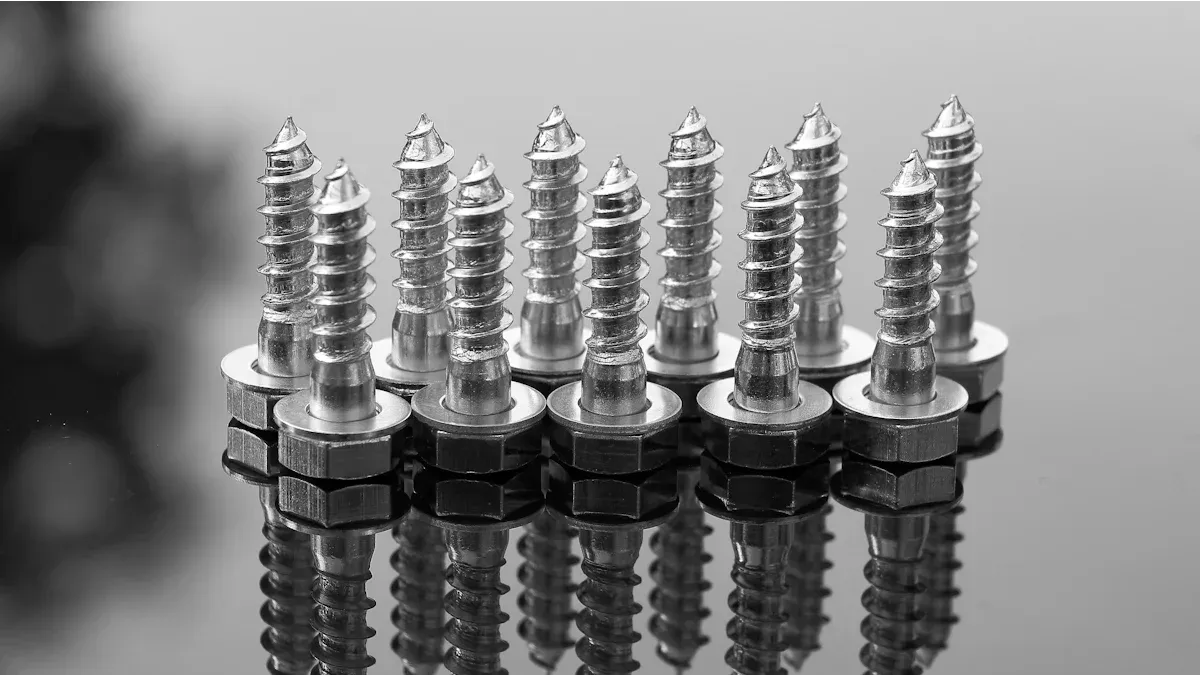
A self drilling screw helps you save time during installation. You do not need to create a pilot hole before driving it into materials like soft steel, timber, or metal. Industry standards define a self-drilling screw as a fastener with a sharp, drill bit-shaped tip. This tip lets you drill your own hole and tap your own threads in one step. You get a strong hold and a simplified process.
Self-Drilling vs. Self-Tapping
Many people confuse self-drilling and self-tapping screws. You should know the difference before starting your project. Self-drilling screws create their own holes and tap their own threads as you drive them in. Self-tapping screws need a pilot hole first, then they tap threads into that existing hole. Here is a quick comparison:
Feature | Self-Drilling Screws | Self-Tapping Screws |
|---|---|---|
Hole Creation | Drills its own hole | Needs a pilot hole |
Functionality | Drills and taps | Only taps threads |
Material Compatibility | Works with many materials | Best for softer metals |
Application | Versatile | More limited |
Tip: If you work with thicker or harder materials, choose a self-drilling screw for faster results.
Key Features
You can spot a self-drilling screw by its unique tip. The drill bit-shaped point lets you drill and tap your own threads at the same time. Some self-drilling screws have wings for special uses, such as working with layered materials. You get a strong connection in steel, wood, or other metals. Self-drilling screws work well for construction, metal roofing, and general repairs. You do not need extra tools or steps, which makes your job easier.
How Self-Drilling Screws Work
Drill Point Design
When you look at a self-drilling screw, you will notice a unique drill-like tip at the end. This tip acts much like a drill bit. As you drive the screw into the material, the drill-like tip starts to cut and carve out a path. You do not need a separate drill or pilot hole for most jobs. The screw can drill its own hole as you apply pressure with your drill.
Several features help the self-drilling screw perform this task:
Drill Flutes: These grooves let the material escape from the hole, which keeps the screw cool and prevents jamming.
Point Length: The length of the tip decides how thick a material the screw can handle before the threads start to grip.
Point Wings: Some screws have small wings that help when you work with layered or thicker materials. The wings enlarge the hole so the threads can engage smoothly.
This design lets you finish your work faster and with fewer tools.
How Do Self Drilling Screws Work
You might wonder how self-drilling screws work compared to traditional screws. With a regular screw, you need to drill a pilot hole first, then drive the screw in. Self-drilling screws combine both steps. The tapering point allows them to drill their own hole and tap threads at the same time. You save time and reduce the risk of splitting or damaging the material.
Here is a quick comparison:
Self-drilling screws act as both a drill bit and a fastener.
You do not need to switch tools or bits during installation.
In some cases, a small pilot hole may help guide the screw, but most of the time, you can rely on the screw to drill its own hole.
Tip: Always match the screw size and type to your material for the best results. This ensures the screw can drill through and hold tight.
Understanding how self-drilling screws work helps you choose the right fastener for your project and avoid extra steps.
Do You Need to Predrill for Self-Drilling Screws?
Standard Applications
You can use self-drilling screws in many everyday projects without predrilling. These screws work well in situations where you want to save time and effort. Most people choose self-drilling fasteners for jobs that involve:
Joining softwoods, such as pine or cedar
Fastening hardwoods, including oak or maple
Attaching metal components, like steel studs or brackets
Securing plastic materials in construction or repairs
You do not need to worry about making a pilot hole in these cases. The self-drilling tip cuts through the material and forms threads as you drive the screw. This time-saving screw design helps you finish tasks quickly and with fewer tools. You can rely on self-drilling screws for most woodworking, metal framing, and plastic assembly projects. The low failure rate—between 0.5% and 1.4%—shows that these screws perform well in standard applications. You get a strong hold and consistent results.
Note: If you work with self-tapping screws for plastic or self-tapping screws for metal, you often need a pilot hole. Self-drilling screws eliminate the need for a pilot hole in most cases.
Benefits of No Predrilling
You gain several advantages when you use self-drilling screws without predrilling. The main benefit is speed. You do not have to stop and drill a pilot hole, which means you can complete your project faster. This approach also reduces the number of tools you need on hand.
Here are some key benefits:
Self-drilling screws eliminate the need for a pilot hole, which saves time and reduces the number of tools required.
You do not have to guess the correct size for a pilot hole, so you get consistent thread strength every time.
Not predrilling leads to decreased operative time and less thermal damage to your materials.
You can work more efficiently, especially if you handle many screws in one project.
Tip: Always choose the right self-drilling screw for your material. This ensures the screw can cut through and hold tight, giving you the best results.
Self-drilling screws stand out from self-tapping screws because they combine drilling and fastening in one step. You do not need to switch between drill bits and drivers. This makes self-drilling fasteners a smart choice for anyone who values speed and reliability.
When to Predrill
Hard Materials
You may encounter situations where predrilling becomes necessary, even when using self-drilling fasteners. Very hard materials, such as dense hardwoods, aluminum alloys, or reinforced plastics, often resist the cutting action of the screw tip. If you try to drive a self-drilling fastener directly into these substrates, you risk damaging the material or breaking the screw. Cracking, splitting, or deformation can occur, especially in brittle or dense surfaces.
Consider predrilling when working with:
Dense hardwoods like oak or maple
Aluminum alloy panels
Reinforced plastics
Other very hard or thick materials
Tip: For hardwoods, select a drill bit slightly larger than the screw’s core. This reduces the chance of splitting and helps the screw seat properly.
Environmental factors also play a role. Extreme temperature changes can cause materials to expand or contract, making them harder or more brittle. In these cases, predrilling helps prevent damage and ensures a secure fit.
Thick Metal
Thick metal presents another challenge for self-drilling fasteners. These screws can typically handle up to 1/2" thickness, but if the material exceeds the screw’s maximum drilling capacity—usually around 5/16" to 3/8"—pre-drilling is recommended. For metal thicker than 2mm, you should create a pilot hole before installation.
Risks of skipping predrilling in thick metal include:
Material damage, such as cracking or splitting
Misaligned screws, which weaken the connection
Increased force needed, raising the risk of screw breakage or stripping
To avoid these problems:
Choose a drill bit that matches the minor diameter of the screw for a snug fit
Mark the drilling spot and use a center punch to keep the bit steady
Hold the drill perpendicular to the surface and drill slowly to the correct depth
Note: Proper hole sizing and steady drilling help maintain the integrity of both the material and the fastener.
By following these tips, you protect your materials and ensure that your self-drilling fasteners perform as intended.
Tips for Best Results
Choosing the Right Self-Drilling Screw
Selecting the right self-drilling screw helps you achieve strong and lasting connections. You should match the screw to your material and project needs. The table below shows important factors to consider:
Factor | Description |
|---|---|
Material Type | Choose the appropriate stainless steel grade (304 for indoor, 316 for corrosive environments). |
Size | Larger diameters offer more strength for heavy-duty jobs; smaller sizes suit lighter tasks. |
Length | Pick a length that penetrates the material fully but does not stick out unnecessarily. |
Head Type | Flat, pan, and other head designs affect how the screw sits and looks after installation. |
Surface Treatment | Zinc plating or passivation increases corrosion resistance and durability. |
Application Requirements | Consider the specific needs of your project to select the best screw. |
For roofing or decking, you may need a screw with a weather-resistant coating. For metal framing, select a screw designed for heavy gauge metal.
Self-drilling screws work well in many applications, such as drywall, cement board, and wall sheeting. You can use them for light gauge steel frames or heavy gauge metal projects. Always check the material type and environment before choosing your screw.
Installation Tips
Proper installation techniques help you avoid common mistakes and ensure a secure fit. You should follow these steps for best results:
Use the correct speed for your drill. High speed can burn the drill tip or clog the flutes.
Do not overtighten the sealing washer. Keep it snug to prevent leaks or damage.
Select screws with the right drilling performance for your material. This reduces the need for excessive force.
Make sure the grouting material matches the anchor system. This increases strength and durability.
Hold the drill straight and apply steady pressure. This keeps the screw aligned and prevents wobbling.
Self-drilling screw innovations, such as self-guiding tips, allow you to create pilot holes as you drive the screw. This feature saves time and reduces the risk of misalignment.
You should always check for moisture, temperature changes, and corrosive elements in your work area. These factors can affect the performance and lifespan of your installation. By following these installation techniques, you improve efficiency and reduce the chance of material damage.
You usually do not need to predrill when using a self drilling screw. Exceptions matter if you work with thick or hard materials, since predrilling helps prevent damage and ensures a secure fit. Matching the screw type to your material keeps joints strong and avoids problems like rust or weak connections.
Type of Screw | Pre-Drilling Required | Suitable Materials |
|---|---|---|
Self-Drilling Screw | No | Thin metals, metal-to-metal, metal-to-plastic |
Self-Tapping Screw | Yes | Thicker materials requiring stronger threads |
Tip: Always check your material before installation. Choose the right screw for the job to get the best results.
FAQ
What is the difference between a Self Drilling Screw and a self screw?
A Self Drilling Screw has a drill tip that creates its own hole. A self screw usually refers to any screw that forms threads as you drive it. You get faster installation with Self Drilling Screws.
How do I choose the right self drilling screw sizes?
You should match self drilling screw sizes to your material thickness. For thin metal, use shorter screws. For thicker steel or wood, pick longer screws. Always check the manufacturer's chart for recommended sizes.
Can I use self drilling screws for plastic?
You can use self drilling screws for some plastics, but self tapping screws for plastic work better. Self Drilling Screws may crack brittle plastics. Test on a scrap piece first to avoid damage.
Are self drilling screws suitable for metal?
You can use Self Drilling Screws for thin metal sheets. For thick metal, consider predrilling or using self tapping screws for metal. Always select screws designed for your metal type to ensure a strong hold.
Do I need special tools to install Self Drilling Screws?
You only need a standard drill or driver. No pilot hole is required for most jobs. Use the correct bit size for your self drilling screw to prevent stripping or misalignment.
