


Allen bolts are versatile fasteners widely used in construction, machinery, automotive, and electronics. Also called socket head cap screws, they feature a hexagonal recess operated with an Allen key, allowing secure fastening in tight or recessed spaces. These bolts offer high torque strength, durability, and a clean, flush appearance, making them ideal for both industrial and decorative applications. In this guide, we’ll explore what Allen bolts are, their types, advantages, and practical uses, helping you choose the right fastener for your next project.
Understanding Allen Bolts
Definition and Design
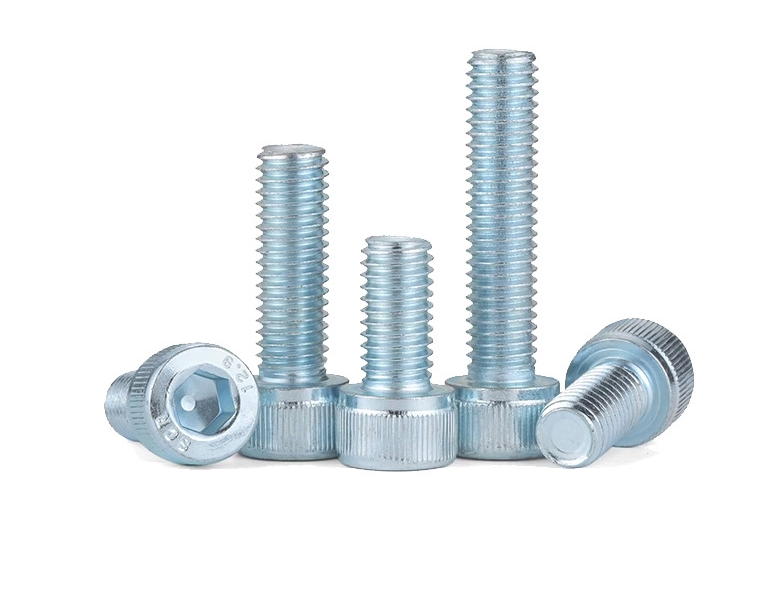
An Allen bolt, sometimes called a socket head cap screw, is a fastener featuring a cylindrical head with a hexagonal socket inside. You operate it using an Allen key or hex wrench, which makes it easy to turn even in tight spots. Its compact design means it fits into recessed areas where regular bolts or screws can’t reach.
| Feature | Description |
|---|---|
| Head Type | Cylindrical, hex socket inside |
| Tool Needed | Allen key / hex wrench |
| Space Requirement | Small, ideal for recessed spaces |
They’re engineered to provide a secure hold while keeping the bolt head flush or slightly above the surface. It’s simple but effective for applications where space is limited.
Why Allen Bolts Are Popular
People choose Allen bolts because they combine strength, reliability, and a neat appearance.
Strong and durable connections – They resist vibration and stress over time.
Smooth, flush finish – Exposed bolts look clean, polished, or professional.
Industry versatility – Used in everything from cars and aircraft to furniture and electronics.
| Application | Benefit |
|---|---|
| Automotive | Handles engine and suspension components |
| Aerospace | Lightweight, strong, vibration-resistant |
| Furniture | Flush appearance, easy assembly |
They’re not just functional—they also make assemblies look smart and well-finished.

Types of Allen Bolts
Allen bolts come in several types, each designed for specific applications and performance needs. They vary in head style, length, and threading, so choosing the right type is important.
Socket Head Cap Screws
Socket head cap screws feature a cylindrical head with a deep hexagonal socket. They are engineered for high-strength fastening and can handle heavy torque without slipping. You’ll often find them in industrial machinery, automotive assemblies, and aerospace structures, where precision and durability are critical. Compared to standard bolts, they allow compact installation in tight spaces and provide a secure, reliable connection.
| Feature | Benefit |
|---|---|
| Head Type | Cylindrical, deep hex socket |
| Strength | High torque capability |
| Applications | Machinery, automotive, aerospace |
Button Head Allen Bolts
Button head Allen bolts have a rounded, low-profile head that gives a smooth, finished look. They’re commonly used in furniture, decorative fixtures, and electronics, especially where aesthetics matter. Their shape reduces the chance of snagging and allows assembly in exposed areas. Despite the softer appearance, they still provide good fastening strength for lightweight applications.
Flat Head (Countersunk) Allen Bolts
Flat head Allen bolts are designed to sit flush with the surface, creating a clean finish while distributing load evenly. This design makes them suitable for automotive panels, construction assemblies, and machinery where obstruction-free surfaces are needed. The flush finish not only improves the look but also ensures structural reliability by spreading stress over a larger area.
| Feature | Advantage |
|---|---|
| Head Type | Flat, countersunk |
| Surface | Flush, obstruction-free |
| Load Distribution | Even across surface |
Shoulder Allen Bolts
Shoulder Allen bolts include a smooth, unthreaded section between the head and threads. This shoulder allows components to rotate or pivot freely, which is essential in applications like pulleys, shafts, and hinges. They provide alignment and support while maintaining motion control, making them ideal for mechanical systems that require precision and smooth movement.
Low Head Allen Bolts
Low head Allen bolts have a shorter head than standard socket screws, making them perfect for space-constrained assemblies. They are commonly used in electronics, robotics, and compact machinery, where a full-height head would interfere with other components. Despite the smaller profile, they maintain high tensile strength and are reliable for fastening critical parts.
Grub Screws (Socket Set Screws)
Grub screws are fully threaded and headless, allowing them to secure components without protruding above the surface. They come in several variants, including flat point, cup point, and cone point, each offering different gripping strength. You’ll see them in gears, pulleys, and mechanical assemblies, where they hold parts in place discreetly while resisting vibration and loosening.
Specialty Shoulder Screws (Stripper Bolts)
Specialty shoulder screws, often called stripper bolts, are built for high-precision alignment and load-bearing applications. They are used in die molds, conveyor systems, and high-speed machinery, providing low-friction movement and exceptional accuracy. Their design allows components to move smoothly while maintaining exact positioning, which is critical in precise industrial processes.
Applications of Allen Bolts
Allen bolts are used across many industries because they combine strength, precision, and a compact design. They provide secure fastening even under demanding conditions.
Industrial Machinery & Equipment
In industrial machinery, Allen bolts secure hydraulic presses, turbines, and conveyor systems. They can handle high stress and continuous vibration, keeping machines stable. Engineers rely on them because they maintain alignment and prevent loosening in heavy-duty operations.
| Equipment Type | Why Allen Bolts Work |
|---|---|
| Hydraulic Presses | High torque, stable under stress |
| Turbines | Resists vibration, precise fit |
| Conveyor Systems | Secure load-bearing support |
They make maintenance easier too, since bolts can be removed and reused without damaging components.
Automotive & Aerospace
Allen bolts are widely used in cars, trucks, and aircraft. They hold together engine components, suspension parts, and aircraft assemblies. Their hex socket allows tight fastening in compact spaces, while their strength resists vibration and mechanical stress over time.
Automotive engineers like them because they reduce assembly errors, and aerospace designers choose them for lightweight, high-strength connections.
Construction & Infrastructure
In construction, Allen bolts secure steel structures, bridges, and high-rise buildings. They provide reliable support for heavy loads and maintain structural integrity under extreme conditions. Their compact heads make it easy to fit them into tight joints while still delivering strong holding power.
Builders often prefer Allen bolts for metal frameworks, scaffolding, and infrastructure assemblies, where precision and load-bearing capacity are critical.
Electronics & Robotics
Electronics and robotics require compact, precise fastening, and Allen bolts fit the bill. They hold circuit boards, robotic arms, and sensors firmly in place without consuming extra space. Their small, neat heads make them ideal for tight enclosures and delicate assemblies, where every millimeter counts.
| Device | Benefit of Allen Bolts |
|---|---|
| Circuit Boards | Secure, low-profile connection |
| Robotic Arms | Maintains alignment under motion |
| Sensors | Compact, precise mounting |
They help engineers save space while keeping devices stable during operation.
Marine & Medical Equipment
Allen bolts made from stainless steel or titanium resist corrosion, making them perfect for marine and medical applications. They are used in surgical instruments, naval vessels, and offshore platforms, where harsh environments would quickly degrade other fasteners.
Their reliability ensures that critical equipment remains safe and operational, whether it’s a patient’s surgical tool or a ship’s structural component.

Advantages of Using Allen Bolts
Compact Design: Allen bolts fit into tight spaces and recessed areas easily, making them perfect for assemblies where clearance is limited. They save space without compromising strength.
High Torque Strength: They can withstand significant tightening without stripping or loosening, providing a secure and reliable connection even under vibration or heavy load conditions.
Aesthetic Appeal: The flush or smooth head gives a clean, professional finish. This makes Allen bolts ideal for visible applications in furniture, electronics, or decorative machinery.
Durable: Designed to resist high stress and vibration, Allen bolts maintain their integrity in industrial machines, automotive parts, and aerospace assemblies over long periods.
Easy Installation: You only need an Allen key or hex wrench to fasten or remove them. This simplicity speeds up assembly and reduces the risk of tool damage or incorrect installation.
Reusable: Allen bolts maintain their threads even after multiple installations, allowing them to be reused without harming surrounding materials or weakening the joint.
Installation and Maintenance of Allen Bolts
Proper installation and maintenance keep Allen bolts reliable and extend their lifespan. Following the right steps prevents damage and ensures safety in any assembly.
Tools Required
Allen Key / Hex Wrench: Always use the correct size for the bolt. Using too small or too large a tool can strip the socket.
Sizing Guide: Match the hex key to the internal socket size carefully. Most Allen bolts have standard sizes based on metric or imperial measurements.
| Bolt Size | Recommended Allen Key |
|---|---|
| M4 | 3 mm |
| M6 | 5 mm |
| M8 | 6 mm |
| 1/4" | 3/16" |
| 3/8" | 1/4" |
Having the right tool makes installation faster and reduces the risk of damage.
Installation Tips
Proper Torque Application: Tighten bolts gradually and evenly to reach the recommended torque. This ensures secure fastening without stressing materials.
Avoid Over-Tightening: Excessive force can strip threads or deform the bolt head. Apply steady pressure and check alignment.
Consistent Thread Engagement: Make sure the bolt is threaded straight and fully engaged before tightening. Misaligned bolts may loosen or fail under load.
Maintenance Tips
Regular Inspection: Check bolts periodically for signs of wear, corrosion, or distortion. Replace any damaged bolts immediately.
Lubrication: Apply anti-seize compounds or light oil to prevent bolts from sticking, especially in high-humidity or marine environments.
Proper Storage: Keep unused bolts in a dry, organized container. Avoid exposure to moisture and mix-ups that can cause corrosion or loss.
Conclusion
Allen bolts stand out for their strength, compact design, and versatility across industries. From machinery and automotive assemblies to furniture and electronics, they provide secure, reliable connections while keeping your projects neat and professional. Choosing the right type and material ensures your fasteners perform perfectly, even under stress or in tight spaces.
At Jiaxing Goshen Hardware Co., Ltd., we offer a wide range of premium Allen bolts in various sizes and finishes. Whether for industrial, marine, or decorative use, our products deliver durability and precision every time. Explore our selection to find the perfect fit for your next project.
FAQ
Q: What is the difference between Allen bolts and standard screws?
A: Allen bolts have a hexagonal recess and use an Allen key, offering higher torque and compact design, while standard screws use slotted or Phillips heads.
Q: Can Allen bolts be used in outdoor applications?
A: Yes, stainless steel or coated Allen bolts resist corrosion and perform well outdoors.
Q: What materials are best for marine or aerospace uses?
A: Stainless steel works best for marine environments, and titanium is ideal for aerospace due to strength and light weight.
Q: How do you choose the correct Allen bolt size for a project?
A: Choose based on thread size, length, head type, material, and required torque for the application.
Q: Are Allen bolts reusable?
A: Yes, they can be reused multiple times if the threads and socket remain intact.
