

What is a hex bolt used for in construction?
Views: 0 Author: Site Editor Publish Time: 2025-12-29 Origin: Site


Hex Bolt connections are everywhere in modern building projects, yet many people still ask what a hex bolt is used for in construction. In this guide, we break it down in a clear, practical way. You will learn how hex bolts work, where builders use them, and why engineers trust them for strength and safety. From steel frames to concrete foundations, we explore real construction uses, bolt types, grades, and selection tips to help you understand how hex bolts support reliable structures.
What Is a Hex Bolt?
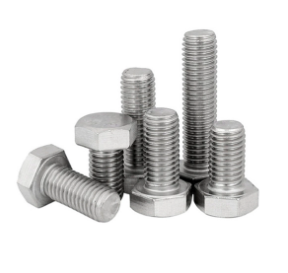
A hex bolt is a widely used construction fastener designed to securely join two or more components. It features a six-sided head and a threaded shank, allowing it to be tightened using standard tools like wrenches or sockets. Builders and engineers rely on hex bolts because they provide strong, dependable connections in load-bearing and safety-critical structures. They are commonly used in steel frameworks, concrete anchoring, and heavy equipment installation.
Definition and How It Differs From Other Fasteners
A hex bolt is a machine-threaded fastener that typically works with a nut or a pre-tapped hole. Unlike nails, which depend on friction, hex bolts create clamping force, which results in a much stronger and more reliable joint. Compared to screws, hex bolts are usually used for heavier loads and structural applications where stability matters most. We choose hex bolts when durability and strength are essential.
Key Identifying Features of a Hex Bolt
Hex bolts are easy to recognize due to their distinct design features. The hexagonal head allows tightening from multiple angles, which is useful in tight construction spaces. The threaded shank provides a secure grip, while the straight, solid body helps distribute force evenly across connected materials. They perform well under vibration, making them suitable for demanding construction environments.
| Feature | Purpose |
|---|---|
| Hexagonal head | Allows strong wrench or socket grip |
| Threaded shank | Creates secure clamping force |
| Solid body | Supports high load resistance |
What Is a Hex Bolt Used for in Construction?
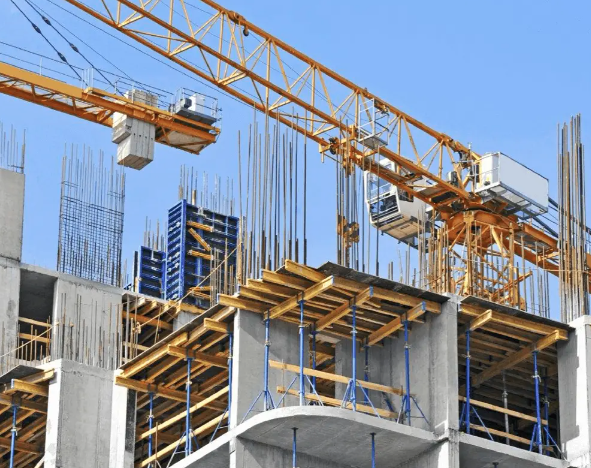
Hex bolts are widely used in construction to create strong, dependable connections between structural and non-structural components. Builders rely on them to fasten steel, concrete, and mechanical assemblies where safety and stability matter. They perform well under tension, vibration, and changing loads, which makes them a standard choice across residential, commercial, and industrial projects.
Primary Functions of Hex Bolts in Construction Projects
Hex bolts serve several essential functions on construction sites. They clamp components together, transfer loads across joints, and help maintain alignment during and after installation. Crews also value them because they allow parts to be assembled and adjusted without complex tools. We often choose hex bolts when both strength and serviceability are required.
Create strong mechanical connections between materials
Distribute loads evenly across joints
Support long-term structural stability
Allow controlled disassembly for maintenance
How Hex Bolts Secure Load-Bearing and Non-Load-Bearing Components
Hex bolts secure both load-bearing and non-load-bearing components effectively. In load-bearing applications, they connect beams, columns, and frames so structures can safely carry weight. In non-load-bearing roles, they fasten panels, brackets, and supports in place. They maintain consistent clamping force, which helps joints remain stable over time.
| Component Type | Role of Hex Bolt |
|---|---|
| Load-bearing beams | Transfer and resist structural loads |
| Columns and frames | Maintain alignment and stability |
| Panels and brackets | Secure components without movement |
Why Hex Bolts Are Preferred for Permanent and Semi-Permanent Joints
Hex bolts are preferred for permanent and semi-permanent joints because they balance strength and accessibility. Once tightened, they resist loosening caused by vibration or movement. At the same time, workers can remove them later using basic tools when repairs or upgrades become necessary. We rely on them when future inspection remains likely.
Common Construction Applications of Hex Bolts
Hex bolts appear across nearly every construction stage. We use them when strength, control, and reliability matter. They handle static loads, dynamic forces, and repeated assembly cycles without complex tools.
Structural Steel Connections
In steel construction, hex bolts connect beams, columns, and full frame systems. They keep joints tight while allowing controlled movement under load. Engineers rely on them for predictable load paths and joint behavior.
They are common in bridges, high-rise buildings, and large industrial facilities. Each joint spreads forces across multiple bolts, reducing stress concentration. It helps frames stay stable under wind, traffic, or seismic activity.
| Application | Why Hex Bolts Are Used |
|---|---|
| Steel beams | Even load transfer |
| Columns | Alignment and rigidity |
| Steel frames | Long-term joint stability |
| Bridges | High load capacity |
Concrete and Foundation Work
Hex bolts play a key role in concrete and foundation systems. Crews anchor steel base plates to concrete using embedded or post-installed anchor bolts. The hex bolt tightens the system and locks steel components in place.
They resist shear forces from lateral loads and tensile forces from uplift. We often see them in foundations for buildings, equipment pads, and structural supports.
Secure steel plates to concrete surfaces
Work alongside anchor bolts and sleeves
Maintain grip under heavy vertical loads
Perform well under tension and shear
Machinery and Equipment Installation
Heavy machinery depends on hex bolts for secure installation. They fasten equipment frames to floors or steel supports. It keeps machines aligned during operation and shutdown cycles.
Vibration resistance matters in factories and construction sites. Proper bolt grade selection ensures strength, fatigue resistance, and long service life. We choose grades based on load, motion, and environment.
| Equipment Type | Bolt Requirement |
|---|---|
| Industrial presses | High tensile strength |
| Pumps and motors | Vibration resistance |
| Construction machines | Durable, reusable fastening |
Scaffolding and Temporary Structures
Hex bolts support scaffolding and temporary structures on active sites. They allow fast assembly while maintaining worker safety. Crews tighten or loosen them using standard tools, saving time during setup.
They also suit repeated use across multiple projects. Reusability reduces waste and keeps systems flexible as site layouts change.
Support scaffolding joints and braces
Enable quick assembly and disassembly
Maintain safety under shifting loads
Allow repeated use in temporary systems
Types of Hex Bolts Used in Construction
Construction projects use different hex bolts for different jobs. We choose them based on load, environment, and safety requirements. It helps structures stay secure over years of service.
By Strength Grade
Strength grade tells us how much stress a hex bolt can handle. Higher grades mean higher tensile strength and better performance under heavy loads.
Grade 2 hex bolts suit light-duty construction tasks. They appear in temporary fixtures, brackets, and non-critical connections. It works when loads stay low and movement remains limited.
Grade 5 hex bolts handle general structural work and machinery installation. Builders use them for steel framing, supports, and equipment mounts. They balance strength, cost, and availability.
Grade 8 hex bolts serve heavy-duty construction environments. We see them in bridges, load-bearing steel joints, and high-stress machinery bases. They resist deformation under extreme force.
Metric grades 8.8, 10.9, and 12.9 appear in modern construction systems. Grade 8.8 suits standard structural joints. Grade 10.9 supports higher loads. Grade 12.9 fits demanding industrial and engineering projects.
| Strength Grade | Typical Construction Use |
|---|---|
| Grade 2 | Light fixtures, temporary work |
| Grade 5 | Structural steel, machinery |
| Grade 8 | Bridges, heavy load joints |
| 8.8 / 10.9 / 12.9 | Metric structural systems |
By Material
Material choice affects durability, corrosion resistance, and load capacity. We match it to site conditions and service life.
Carbon steel hex bolts dominate general construction. They offer strong performance at a reasonable cost. Builders use them for framing, foundations, and steel connections.
Stainless steel hex bolts fit corrosion-prone environments. They perform well near moisture, chemicals, or outdoor exposure. We often use them in coastal projects or exposed structures.
Alloy steel hex bolts support high-load applications. They handle greater stress and fatigue. It suits heavy machinery, structural joints, and industrial facilities.
Specialty materials serve extreme environments. Examples include duplex steel for marine structures and high-temperature alloys for industrial plants. They maintain strength where standard materials fail.
Carbon steel for everyday construction
Stainless steel for moisture and corrosion
Alloy steel for heavy loads
Specialty alloys for harsh conditions
How to Choose the Right Hex Bolt for Construction Projects
Picking the right hex bolt keeps structures safe and connections reliable. We look at load, environment, and fit before making any decision. Small choices here affect long-term performance.
Evaluating Load Requirements and Safety Factors
Every construction joint carries weight and movement. We calculate expected loads, then add safety margins. It protects structures during wind, vibration, or unexpected stress. High-load areas need higher-grade hex bolts. Light-duty joints accept lower grades. Engineers often follow building codes and design standards.
Static loads from weight
Dynamic loads from movement
Safety factors for long-term use
Selecting the Correct Size, Thread Type, and Length
Bolt size controls strength and stability. Larger diameters handle more force. Length ensures full thread engagement through materials. Coarse threads suit most construction work. They resist dirt and damage. Fine threads fit precision joints and high-vibration zones.
| Selection Factor | Why It Matters |
|---|---|
| Diameter | Load capacity |
| Length | Proper clamping |
| Thread type | Grip and durability |
Choosing Material and Finish Based on Environmental Exposure
Environment shapes material choice. Indoor projects often use carbon steel. Outdoor sites face moisture, temperature changes, and corrosion. Zinc-plated bolts resist mild rust. Hot-dip galvanized bolts protect outdoor steel. Stainless steel suits coastal or chemical environments.
Dry indoor areas use standard finishes
Outdoor exposure needs corrosion protection
Harsh sites require stainless or specialty alloys
Matching Hex Bolts with Compatible Nuts and Washers
Bolts work as part of a system. Nuts must match thread size and grade. Washers spread load and protect surfaces. We use hardened washers under high-strength bolts. It prevents surface damage and maintains clamping force. Proper matching improves joint life and safety.
| Component | Purpose |
|---|---|
| Nut | Secures the bolt |
| Washer | Distributes load |
| Bolt | Provides clamping force |
Conclusion
Hex bolts play a quiet but essential role in keeping construction projects safe, stable, and serviceable. From steel frames and concrete foundations to machinery and temporary systems, they offer strength, flexibility, and long-term reliability when selected and installed correctly. Understanding how grades, materials, and applications work together helps builders make smarter fastening decisions on site.
If your project demands dependable fastening solutions, Jiaxing Goshen Hardware Co., Ltd. is ready to support you. We supply high-quality hex bolts designed for real construction challenges, helping you build stronger connections and move projects forward with confidence.
Frequently Asked Questions
What is a hex bolt used for in construction?
A hex bolt is used to fasten structural and non-structural components securely in construction projects. Builders rely on it for steel connections, concrete anchoring, machinery installation, and temporary structures.
Why are hex bolts preferred over nails in construction?
Hex bolts provide controlled clamping force and higher strength than nails. They hold components together more securely and perform better under heavy loads and vibration.
Are hex bolts suitable for load-bearing structures?
Yes, hex bolts are commonly used in load-bearing structures. They transfer loads across joints and help maintain alignment and stability in beams, columns, and frames.
What grade of hex bolt is best for construction?
The best grade depends on the load and application. Grade 5 works for general construction, while Grade 8 or metric 10.9 suits high-stress structural environments.
Can hex bolts be used in concrete construction?
Hex bolts are widely used in concrete work. They secure steel plates, columns, and equipment bases to concrete foundations using anchor systems.
