

What Is The Difference between A Stud Bolt And A Hex Bolt?
Views: 0 Author: Site Editor Publish Time: 2025-10-29 Origin: Site


Bolts are crucial components in construction and machinery, ensuring stability and safety. But what sets hex bolts apart from stud bolts? Understanding these differences can impact your project's success. In this post, you'll learn about the unique characteristics and applications of hex bolts and stud bolts, helping you make informed choices for your specific needs.
Understanding Hex Bolts
Hex bolts are one of the most common types of fasteners you'll find in construction, machinery, and automotive industries. They feature a hexagonal head that fits standard wrenches or sockets, making installation and removal straightforward. The hexagonal shape provides six points for tool engagement, allowing for efficient torque application.
Definition and Characteristics
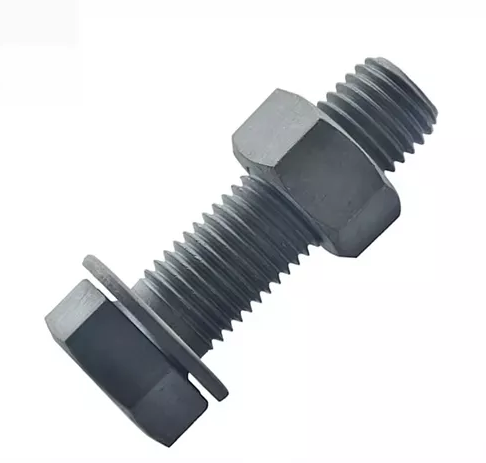
A hex bolt consists of a cylindrical shaft with external threads on one end and a six-sided head on the other. The threaded portion can be full or partial, depending on the bolt's intended use. This design allows the bolt to be secured using a nut or threaded directly into a tapped hole. Hex bolts come in various sizes and grades, which determine their strength and suitability for different tasks.
Key characteristics include:
Hexagonal head: Enables easy gripping and turning.
Threaded shaft: Allows fastening with nuts or threaded holes.
Varied thread lengths: Full or partial threading based on application.
Material options: Typically made from carbon steel, stainless steel, or alloy steel.
Common Applications
Hex bolts are versatile and widely used across many industries. Some typical applications include:
Construction: Securing steel beams, wood framing, and concrete anchors.
Machinery: Assembling equipment parts and machinery frames.
Automotive: Fastening engine parts, chassis components, and body panels.
Furniture assembly: Joining wooden or metal parts.
Because they are easy to install and remove, hex bolts are preferred for projects requiring frequent maintenance or adjustments.
Material and Coatings
Hex bolts are manufactured from various materials to suit different environments:
Carbon steel: Common, cost-effective, suitable for general use.
Stainless steel: Offers corrosion resistance, ideal for outdoor or humid conditions.
Alloy steel: Provides higher strength for demanding applications.
Coatings enhance durability and corrosion resistance. Popular coatings include:
Zinc plating: Protects against rust in mild environments.
Hot-dip galvanizing: Thick coating for outdoor or marine use.
Black oxide: Provides mild corrosion resistance and aesthetic finish.
Choosing the right material and coating depends on the environment and stress level the bolt will face.
Understanding Stud Bolts
Stud bolts are unique fasteners that differ significantly from hex bolts in design and application. Unlike hex bolts, stud bolts are essentially threaded rods without any head. They usually have threads on both ends or sometimes along their entire length. This design allows them to be used in situations where a strong, secure connection is needed on both sides of the fastener.
Definition and Characteristics
A stud bolt is a cylindrical rod fully or partially threaded at both ends. It requires two nuts—one on each end—to clamp components together tightly. This headless design means the bolt itself doesn't have a hexagonal or any other shaped head for turning. Instead, the nuts are tightened to apply the clamping force.
Key features include:
Threaded on both ends: Enables fastening with nuts on either side.
No head: Allows use in tight or confined spaces.
Varied thread designs: Full or partial threading depending on need.
Material flexibility: Often made from carbon steel, alloy steel, or stainless steel.
Coatings: Zinc plating, galvanization, or PTFE for corrosion resistance.
This design helps distribute load evenly across the connection, reducing stress concentration and improving joint strength.
Common Applications
Stud bolts are widely used in industries where strong, reliable joints must withstand high pressure, temperature, or vibration. Typical applications include:
Flanged pipe connections: Common in oil, gas, and petrochemical pipelines.
Pressure vessels and reactors: Where sealed, strong joints are critical.
Power plants and refineries: For assembling heavy equipment.
Structural steelwork: Especially in large constructions needing high-strength joints.
Heavy machinery: Where components require frequent maintenance or disassembly.
Their ability to be installed from both sides makes them ideal for connections where the bolt head would be a hindrance or impossible to use.
Material and Coatings
Stud bolts come in various materials tailored to their application environment:
Carbon steel: Standard choice for general industrial use.
Alloy steel: Offers higher strength for demanding conditions.
Stainless steel: Provides corrosion resistance for harsh or outdoor environments.
Coatings enhance durability and protect against corrosion:
Zinc plating: Suitable for mild environments.
Hot-dip galvanizing: Offers thick, long-lasting protection, ideal for outdoor or marine use.
PTFE coating: Provides chemical resistance and reduces friction.
Choosing the right material and coating is crucial to ensure the stud bolt performs well and lasts long under specific operating conditions.
Tip: When selecting stud bolts, always consider the environmental conditions and load requirements to choose the appropriate material and coating for maximum durability and safety.
Key Differences Between Hex Bolts and Stud Bolts
When choosing between hex bolts and stud bolts, understanding their design, installation, and strength differences is key. These factors impact performance, suitability, and maintenance in various applications.
Design and Structure
Hex bolts have a distinct hexagonal head on one end and a threaded shaft on the other. This head provides six flat sides for gripping with wrenches or sockets, making turning easy. The shaft may be fully or partially threaded depending on the use.
Stud bolts, however, are headless rods threaded on both ends or along their full length. They require two nuts—one on each end—to clamp parts together tightly. Without a head, stud bolts fit well in confined spaces where a protruding head would be a problem.
| Feature | Hex Bolt | Stud Bolt |
|---|---|---|
| Head | Hexagonal head | No head |
| Threading | Partial or full on shaft | Threaded on both ends or full length |
| Fastening Method | One nut + wrench or socket | Two nuts, one on each end |
| Tool Engagement | Direct on head | Nuts tightened on both ends |
Installation Method
Hex bolts are installed by inserting the threaded shaft through aligned holes and tightening the nut from the opposite side. The hex head allows tightening from one end only, which simplifies installation in many situations.
Stud bolts require access to both sides of the joint. One end is threaded into a tapped hole or welded, while the other end is secured by tightening a nut. This dual-sided installation provides a stronger, more balanced clamping force but can be more complex.
Load Distribution and Strength
Stud bolts offer more uniform load distribution because the clamping force comes from nuts on both ends. This reduces stress concentration, improves joint strength, and enhances vibration resistance. They are well-suited for high-pressure, high-temperature, or heavy-load environments.
Hex bolts have good strength but may concentrate stress near the head-shaft junction. This can limit their use under extreme loads or vibration. They perform well in general fastening tasks but might need additional locking mechanisms in dynamic conditions.
| Aspect | Hex Bolt | Stud Bolt |
|---|---|---|
| Load Distribution | Less uniform, stress near head | Even, reduces stress points |
| Strength | Moderate to high | High, ideal for heavy loads |
| Vibration Resistance | May loosen without locking | Better resistance due to dual nuts |
Factors to Consider When Choosing Between Hex Bolts and Stud Bolts
Choosing the right fastener depends on several important factors. Understanding these will help you pick the best bolt for your specific needs.
Application Requirements
First, consider what the bolt must do in your project. Hex bolts work well for general fastening tasks where loads are moderate and conditions are stable. They fit nicely in places where you only have access from one side.
Stud bolts shine in heavy-duty jobs. They handle high pressure, extreme temperatures, and vibration better because they distribute load evenly. If your application involves pipelines, flanged joints, or pressure vessels, stud bolts are often the safer choice.
Ease of Maintenance
Maintenance needs also influence your choice. Hex bolts are easier to install and remove since you can tighten or loosen them from one end. This makes them great for projects that require quick assembly or occasional adjustments.
Stud bolts, however, allow for easier disassembly in complex systems. Because nuts secure both ends, you can remove or replace them without disturbing the entire assembly. This feature is valuable in industries where frequent inspection or part replacement is necessary, like oil and gas or power plants.
Cost Considerations
Cost is always a factor. Hex bolts are generally more affordable and easier to source. Their simpler design means fewer parts and less installation time, reducing labor costs.
Stud bolts tend to be pricier due to their specialized design and the need for two nuts per bolt. However, their durability and performance in demanding environments can lower long-term maintenance and replacement expenses, making them cost-effective over time.
| Factor | Hex Bolts | Stud Bolts |
|---|---|---|
| Application | Moderate loads, accessible areas | High pressure, heavy loads, confined spaces |
| Maintenance | Simple, quick removal | Easier disassembly, minimal disturbance |
| Cost | Lower initial cost | Higher upfront, lower lifecycle cost |
Situations Where Stud Bolts Outperform Hex Bolts
Stud bolts often prove superior to hex bolts in demanding environments or applications requiring strong, reliable fastening. Here are key situations where stud bolts outshine hex bolts:
High-Pressure Environments
Stud bolts excel in high-pressure systems like pipelines, pressure vessels, and flanged connections. Their design—threaded on both ends and secured by two nuts—ensures even load distribution across the joint. This balanced clamping reduces stress concentration, minimizing risks of leaks or failure under intense pressure.
For example, in oil refineries or chemical plants, stud bolts maintain tight seals on flange joints exposed to extreme pressure and temperature. Hex bolts, with their single-headed design, may concentrate stress near the head-shaft junction, making them less reliable in such conditions.
Frequent Disassembly Needs
In industries like power generation, petrochemicals, or heavy machinery, equipment often requires regular inspection or maintenance. Stud bolts facilitate easier disassembly and reassembly since nuts can be removed without disturbing the entire assembly.
Because stud bolts don't have a head, they fit well in confined spaces, allowing quick removal of nuts on both ends. This reduces downtime and maintenance costs. Hex bolts, tightened from one side only, can be harder to remove if access is limited or if the bolt is corroded or seized.
Structural Stability
Stud bolts provide superior structural stability in heavy-duty applications such as bridges, large steel frameworks, or heavy machinery. Their dual-nut clamping action evenly distributes load, enhancing joint strength and vibration resistance.
This uniform load distribution reduces fatigue and bending risks, extending the lifespan of critical connections. Hex bolts, while strong, may not provide the same level of stability under dynamic loads or vibrations without additional locking mechanisms.
Advantages and Disadvantages of Hex Bolts
Hex bolts are widely used fasteners known for their versatility and ease of use. However, like any component, they have their strengths and limitations depending on the application.
Pros of Hex Bolts
Easy Installation: Hex bolts have a six-sided head designed for quick tightening using standard wrenches or sockets. This makes installation and removal straightforward, even for those with basic tools.
Widely Available: They come in many sizes, materials, and grades, making them easy to source for a variety of projects.
Cost-Effective: Their simple design and widespread availability often translate to lower initial costs compared to more specialized fasteners.
Versatile Use: Suitable for many applications, including construction, machinery, automotive, and furniture assembly. They perform well in moderate load and stable conditions.
Good Torque Application: The hex head provides multiple gripping points, allowing efficient torque transfer during tightening.
Cons of Hex Bolts
Limited Load Distribution: Because the clamping force comes from one nut and the bolt head, stress can concentrate near the head-shaft junction. This may lead to premature fatigue under heavy loads or vibration.
Less Suitable for Extreme Conditions: Hex bolts may not perform well in high-pressure, high-temperature, or highly vibrating environments without additional locking mechanisms.
Space Constraints: The protruding hex head can be a problem in tight or confined spaces where clearance is limited.
Potential to Loosen: Under dynamic loads or vibration, hex bolts can loosen unless secured with locking washers or thread-locking compounds.
Fixed Head Size: The fixed size of the head limits torque application beyond certain levels, restricting performance in heavy-duty applications.
Advantages and Disadvantages of Stud Bolts
Stud bolts are essential fasteners in many industrial and construction applications. They offer unique benefits but also come with some limitations. Understanding these pros and cons helps you decide when stud bolts are the best choice.
Pros of Stud Bolts
High Strength and Load Capacity: Stud bolts provide excellent clamping force by using two nuts, which distribute the load evenly across the joint. This makes them ideal for heavy-duty applications like pipelines, pressure vessels, and structural steelwork.
Even Load Distribution: Because the bolt is threaded on both ends and tightened by nuts on each side, stress concentration is minimized. This reduces the risk of joint failure under high pressure or vibration.
Suitable for Confined Spaces: Without a head, stud bolts can fit into tight or restricted areas where a protruding bolt head would be a problem. This makes them perfect for flanged connections or assemblies needing compact fasteners.
Ease of Maintenance and Replacement: In systems requiring frequent disassembly, stud bolts allow nuts to be removed without disturbing the entire setup. This minimizes downtime and simplifies inspections or repairs.
Material and Coating Flexibility: Stud bolts come in various materials like carbon steel, stainless steel, and alloy steel. Coatings such as zinc plating, galvanization, or PTFE protect against corrosion, extending bolt life in harsh environments.
Cons of Stud Bolts
Installation Requires Access to Both Ends: Because nuts must be tightened on both sides, you need access to both ends of the stud bolt. This can complicate installation in some assemblies or confined spaces.
More Components to Manage: Using two nuts per bolt means more parts to handle, increasing installation time and the risk of losing small components.
Higher Initial Cost: Stud bolts generally cost more than hex bolts due to their design and the extra nuts required. This upfront expense might be a concern for budget-sensitive projects.
Potential for Over-Tightening: Since nuts are tightened on both ends, improper installation can lead to uneven tension or over-tightening, which may damage the bolt or connected components.
Replacement Challenges: If one end of the stud bolt is embedded or welded, removing or replacing the stud can be difficult and may require specialized tools or procedures.
Conclusion
Hex bolts and stud bolts differ in design and application. Hex bolts have a hexagonal head and are easy to install, while stud bolts are threaded rods requiring nuts on both ends, ideal for high-pressure environments. For projects demanding strength and durability, stud bolts excel, whereas hex bolts suit general tasks. GOSHEN offers premium fasteners tailored to meet diverse needs, ensuring reliability and efficiency in construction, machinery, and automotive applications.
FAQ
Q: What is a hex bolt?
A: A hex bolt is a fastener with a six-sided head and a threaded shaft, used for securing components in construction, machinery, and automotive applications.
Q: How do hex bolts differ from stud bolts in design?
A: Hex bolts have a hexagonal head and a threaded shaft, while stud bolts are headless rods threaded on both ends, requiring nuts for fastening.
Q: Why choose hex bolts over stud bolts?
A: Hex bolts are easier to install, cost-effective, and suitable for moderate loads where access is available from one side.
Q: What are the benefits of using hex bolts?
A: Hex bolts offer easy installation, good torque application, and versatility across various applications, making them a popular choice for general fastening tasks.
