


Ever wondered what makes structures hold together securely? Hex bolts play a crucial role in various industries. This post explores what a hex bolt is and its importance across sectors. You'll learn about their unique characteristics and applications.
Understanding Hex Bolts
Hex bolts are a type of fastener known for their distinctive six-sided, or hexagonal, heads. This shape allows for easy gripping and turning using common tools like wrenches and sockets. Typically, hex bolts feature threads along the shaft, which help secure materials tightly together.
Definition and Characteristics
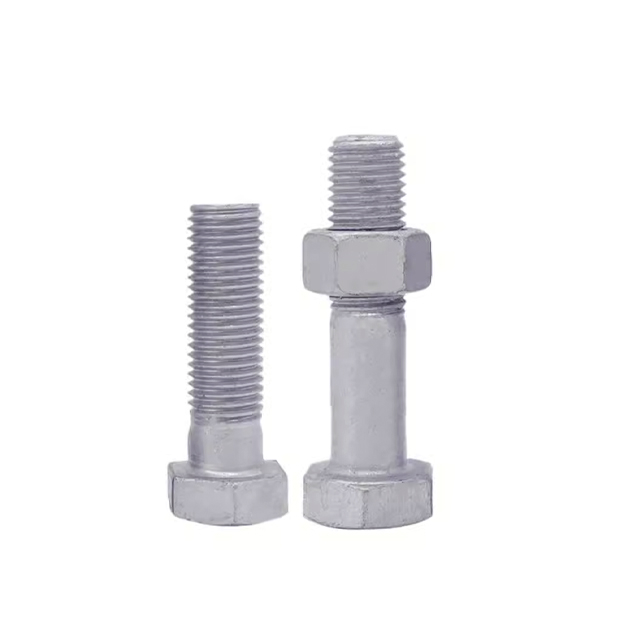
A hex bolt consists of a head and a threaded body. The head's hexagonal shape provides multiple flat surfaces to apply torque, making installation and removal straightforward. These bolts come in two main thread styles:
Fully Threaded: Threads run from the tip up to the underside of the head. This design suits applications requiring maximum grip along the bolt’s entire length.
Partially Threaded: Threads cover only part of the shaft, leaving a smooth shank near the head. This unthreaded section adds strength and helps resist shear forces, ideal for structural uses.
Hex bolts are commonly made from steel or stainless steel and are often coated or plated to resist corrosion. Their robust design makes them suitable for heavy-duty fastening.
Difference Between Hex Bolts and Hex Cap Screws
Though often confused, hex bolts and hex cap screws differ in several ways:
| Feature | Hex Bolt | Hex Cap Screw |
|---|---|---|
| Installation Method | Tightened by turning a nut | Screwed directly into tapped hole |
| Head Design | Plain hex head, no washer face | Hex head with washer face |
| Point Style | Flat or blunt end | Chamfered (tapered) point |
| Typical Use | Construction, mechanical joints | Precision assemblies requiring tight tolerances |
Hex bolts rely on a nut to clamp materials, while hex cap screws thread directly into a hole. Hex cap screws have a washer face under the head to distribute load evenly and a chamfered point to start threading smoothly. Hex bolts prioritize mechanical strength over tight dimensional tolerances, making them ideal for construction and heavy machinery.
Understanding these distinctions helps in selecting the right fastener for your project, ensuring proper fit and performance.
Note: Always verify whether your application requires a hex bolt or a hex cap screw, as using the wrong type can compromise joint strength and safety.
Materials Used in Hex Bolts
Hex bolts come in a variety of materials, each offering unique benefits depending on the application. The most common materials include steel, stainless steel, and brass. Additionally, coatings and finishes are often applied to enhance corrosion resistance and durability.
Common Materials
Steel: Steel is the most widely used material for hex bolts. It offers excellent strength and durability, making it ideal for heavy-duty applications. Steel hex bolts come in different grades, such as Grade 2, Grade 5, and Grade 8, which indicate increasing levels of tensile strength. Steel bolts are often used in construction, automotive, and machinery projects.
Stainless Steel: Stainless steel hex bolts provide superior corrosion resistance compared to regular steel. They are perfect for environments exposed to moisture, chemicals, or salt, such as marine applications or outdoor structures. Common stainless steel grades include 304 and 316, with 316 offering better resistance to harsh conditions.
Brass: Brass hex bolts are less common but valued for their corrosion resistance and aesthetic appeal. They are often used in decorative applications or where electrical conductivity is important. Brass bolts tend to be softer and less strong than steel or stainless steel, so they suit lighter-duty tasks.
Coatings and Finishes
Coatings improve hex bolts' resistance to rust, wear, and environmental damage. Some popular finishes include:
Zinc-Plated: Zinc plating provides a thin layer of corrosion protection. It is cost-effective and suitable for indoor or mildly corrosive environments. Zinc-plated bolts typically have a shiny, silver appearance.
Galvanized: Hot-dip galvanizing applies a thicker zinc coating, offering much stronger corrosion resistance. Galvanized hex bolts are ideal for outdoor or industrial use, where exposure to moisture and chemicals is frequent.
Black Oxide: This finish adds mild corrosion resistance and reduces glare. Black oxide bolts are common in applications where appearance matters, such as automotive or machinery.
Plain Finish: Some hex bolts come without any coating. These are best used indoors or in environments where corrosion is not a concern.
Choosing the right material and finish depends on factors like strength requirements, environmental exposure, and budget. For example, stainless steel bolts are excellent outdoors but cost more than zinc-plated steel. Brass bolts look great but are not suited for heavy loads.
Types of Hex Bolts
Hex bolts come in several types, mainly distinguished by their threading and specialized designs. Understanding these differences helps you pick the right bolt for your project, ensuring strength, durability, and proper fit.
Fully-Threaded vs. Partially-Threaded Hex Bolts
Fully-Threaded Hex BoltsThese bolts have threads running from the tip all the way up to the underside of the head. This design maximizes grip along the entire shaft, making them ideal for fastening into pre-threaded holes or applications requiring full-length engagement. They spread the load evenly across the threads, which can be beneficial for certain heavy-duty tasks.
Partially-Threaded Hex BoltsThese bolts feature threads only on part of the shaft, with a smooth, unthreaded section near the head called the shank or grip length. The unthreaded shank adds strength and resists shear forces better than fully threaded bolts. This makes them well-suited for structural applications where the bolt must withstand bending or lateral loads. The smooth shank also allows for easier alignment of parts during assembly.
Specialized Hex Bolts
Beyond threading, some hex bolts are designed for specific uses, offering features tailored to particular industries or functions.
Structural Hex BoltsThese bolts are engineered for heavy construction or structural steel work. They often have larger diameters and are made from high-strength steel grades. Structural bolts meet strict standards for tensile strength, toughness, and durability. Their robust design ensures safety and stability in bridges, buildings, and large frameworks.
Flange Hex BoltsFlange bolts have an integrated flange under the head, acting like a built-in washer. This flange distributes the load over a larger surface area, reducing the risk of damage to the connected parts and eliminating the need for a separate washer. Flange bolts simplify assembly and provide a more secure fastening, especially in automotive and machinery applications.
Other VariantsThere are also hex bolts designed for specialized environments, such as high-temperature or corrosion-resistant versions. These may use specific materials or coatings to meet unique requirements.
Applications of Hex Bolts
Hex bolts are incredibly versatile fasteners used in many industries due to their strength and ease of installation. Their six-sided heads allow for easy gripping with wrenches or sockets, making them ideal for heavy-duty fastening tasks. Here are some common applications where hex bolts play a crucial role:
Construction and Building Projects
In construction, hex bolts are essential for assembling steel frameworks, securing wooden structures, and fastening concrete forms. They provide strong, reliable joints for bridges, buildings, highways, and other infrastructure projects. Their durability and ability to withstand heavy loads make them a preferred choice for structural connections. Partially threaded hex bolts are often used here because their unthreaded shank adds shear strength, which is important in load-bearing assemblies.
Machinery and Automotive Uses
Hex bolts are widely used in machinery and automotive manufacturing and repair. They fasten engine components, chassis parts, and heavy machinery assemblies. The bolts' high tensile strength and resistance to vibration help prevent loosening in mechanical environments. Fully threaded hex bolts are common when threading into pre-tapped holes or when maximum thread engagement is needed. Additionally, flange hex bolts are popular in automotive applications because their built-in flange distributes load evenly and eliminates the need for washers.
Woodworking and Engineering Tasks
Woodworking projects often require hex bolts to join frames, panels, and other components securely. Their strong grip and ease of tightening make them suitable for furniture assembly, cabinetry, and structural wood framing. In engineering tasks, hex bolts fasten metal parts, equipment, and prototypes. Their availability in various materials and finishes allows selection based on environmental exposure, such as stainless steel for moisture resistance or zinc-plated steel for indoor use. For construction or machinery projects, choose hex bolts with appropriate threading and material to ensure strength and corrosion resistance for long-lasting performance.
Hex Bolt Sizes and Dimensions
Hex bolts come in various sizes and dimensions, measured using two main systems: metric and imperial. Understanding these measurements helps you choose the right bolt for your project, ensuring a secure fit and proper function.
Metric Measurements
Metric hex bolts use the ISO metric system, where sizes are denoted by the letter "M" followed by the diameter in millimeters. For example, an M8 bolt has a thread diameter of 8 mm. Common metric sizes range from M4 to M20 and beyond, covering a wide range of applications.
Key metric dimensions include:
Thread Diameter: The outer diameter of the threaded section.
Thread Pitch: The distance between threads, measured in millimeters. Finer threads have smaller pitches.
Bolt Length: Measured from the underside of the head to the bolt’s tip.
Head Width (Across Flats): The distance between two opposite flat sides of the hex head.
Head Height: The thickness of the bolt head.
For example, an M10 hex bolt typically has a 10 mm thread diameter, 1.5 mm thread pitch, and a head width across flats of about 17 mm. These dimensions conform to standards like DIN 931 (partially threaded) and DIN 933 (fully threaded).
Imperial Measurements
Imperial hex bolts use inches for measurement, common in the US and some other countries. Sizes include diameters such as ¼”, ⅜”, ½”, and ¾”. Thread pitch is expressed as threads per inch (TPI). Bolt length is measured from the underside of the head to the end of the bolt.
Imperial hex bolts follow standards like ASME B18.2.1, which define head sizes and thread dimensions to ensure compatibility.
Standard Size Charts and Specifications
Standard size charts help identify the correct dimensions for hex bolts. Here’s a simplified example for metric partially threaded hex bolts (DIN 931):
| Thread Size | Thread Diameter (mm) | Thread Length (mm) | Head Width Across Flats (mm) | Head Height (mm) |
|---|---|---|---|---|
| M6 | 6 | 18 - 24 | 10 | 4 |
| M8 | 8 | 22 - 28 | 13 | 5.3 |
| M10 | 10 | 26 - 45 | 17 | 6.4 |
| M12 | 12 | 30 - 49 | 19 | 7.5 |
Bolt length and thread length vary depending on overall bolt length. For bolts 6 inches or shorter, thread length is typically calculated as (2 × diameter) + ¼ inch. For longer bolts, thread length increases to (2 × diameter) + ½ inch.
Fully threaded hex bolts have threads running from the tip to just under the head, while partially threaded bolts have a smooth shank section near the head.
Choosing the Right Size
Selecting the correct hex bolt size depends on:
Material thickness to fasten
Required strength and load capacity
Compatibility with nuts or tapped holes
Environmental factors affecting corrosion or wear
Always check manufacturer specifications and standards to ensure proper fit and performance. When selecting hex bolts, use size charts and standards to match bolt diameter, thread pitch, and length precisely to your application for secure, long-lasting fastening.
Installation and Use of Hex Bolts
When working with hex bolts, having the right tools and following best practices ensures secure, durable fastening. Proper installation prevents loosening, damage, or failure in your projects.
Tools Required for Installation
Hex bolts are designed for easy tightening and loosening using common hand tools. The typical tools include:
Wrenches: Open-end or box-end wrenches fit the hexagonal head well, providing good grip and torque.
Socket Wrenches: These are popular for hex bolts because sockets fully surround the bolt head, allowing faster turning and better torque control.
Ratchets: Used with socket sets, ratchets speed up installation and removal, especially in tight spaces.
Torque Wrenches: Essential for critical applications, torque wrenches ensure bolts are tightened to the exact recommended torque, preventing over- or under-tightening.
Hex Keys (Allen Wrenches): Not typical for hex bolts but sometimes used for bolts with internal hex drives.
Choosing the right tool size matching the bolt head is crucial to avoid rounding off the edges of the bolt.
Best Practices for Securing Hex Bolts
Clean Threads: Before installation, ensure bolt threads and nut threads are clean and free from debris or corrosion. This allows smooth threading and accurate torque application.
Use Washers When Needed: While some hex bolts have integrated flanges, others require washers to distribute load evenly and protect materials from damage.
Apply Lubrication if Specified: In some cases, applying anti-seize or lubricant to threads helps achieve consistent torque and prevents galling, especially with stainless steel bolts.
Follow Torque Specifications: Always tighten bolts according to manufacturer or engineering specifications. Over-tightening can strip threads or break bolts; under-tightening risks loosening under load or vibration.
Tighten in Stages: For assemblies with multiple bolts, tighten bolts gradually in a crisscross or star pattern. This ensures even load distribution and proper alignment.
Check for Proper Engagement: Ensure the bolt threads fully engage the nut or tapped hole. Insufficient thread engagement weakens the joint.
Use Locking Mechanisms if Needed: In high-vibration environments, consider thread-locking compounds, lock washers, or nylon-insert nuts to prevent loosening.
Inspect After Installation: Check bolts periodically for tightness and signs of wear or corrosion, especially in safety-critical applications.
Conclusion
Hex bolts are versatile fasteners with hexagonal heads, available in fully or partially threaded designs. They are made from materials like steel, stainless steel, and brass, often with coatings for enhanced durability. These bolts are used in construction, machinery, and woodworking, with sizes in metric and imperial measurements. Proper installation with the right tools ensures secure fastening. GOSHEN offers a range of hex bolts, providing strength and reliability for various applications, ensuring value and performance in your projects.
FAQ
Q: What is a hex bolt?
A: A hex bolt is a fastener with a six-sided head, designed for easy gripping and turning using tools like wrenches or sockets.
Q: How are hex bolts used in construction?
A: Hex bolts are used in construction for assembling frameworks, securing structures, and fastening concrete forms due to their strength and durability.
Q: Why choose stainless steel hex bolts?
A: Stainless steel hex bolts offer superior corrosion resistance, making them ideal for environments exposed to moisture or chemicals.
Q: What is the cost of hex bolts?
A: The cost of hex bolts varies based on material, size, and finish, with stainless steel typically being more expensive than zinc-plated steel.
