

What Are The Three Types of Bolts?
Views: 0 Author: Site Editor Publish Time: 2025-10-30 Origin: Site


Bolts are the unsung heroes of construction and mechanical applications, holding structures together with precision and strength. But did you know not all bolts are created equal? Different types serve different purposes. In this post, you'll learn about the three main types of bolts: Black Bolts, Turned and Fitted Bolts, and High Strength Friction Grip (HSFG) Bolts, including the versatile hex bolt. Discover their unique characteristics and applications.
Black Bolts
Black bolts are a common type of bolt used mainly in steel structures. They are made from mild steel and typically come in Grade 4.6, which means they have a moderate tensile strength suitable for many construction tasks. These bolts are unfinished, meaning they lack any special coating or treatment, which gives them their characteristic black appearance.
Characteristics of Black Bolts
Made from mild steel, providing adequate strength and ductility.
Usually have a tensile strength of about 40 kgf/mm² (approximately 392 MPa).
The yield strength is about 60% of the tensile strength.
They have a rough surface finish and are not heat-treated.
Designed to be tightened "snug tight," enough to bring the connected parts into firm contact without over-tightening.
Common Applications of Black Bolts:
Black bolts are widely used in simple structural connections where the loading is mostly static. You often find them in:
Basic structural steel assemblies.
Non-critical joints in building frameworks.
Temporary or less demanding connections where cost efficiency is important.
Applications where vibration or dynamic loads are minimal.
Advantages of Using Black Bolts:
Cost-effective compared to high-strength bolts.
Easier to install with less specialized equipment.
Adequate for many low to medium strength requirements.
Suitable for projects where quick assembly is preferred.
Disadvantages of Black Bolts:
Lower strength compared to high-strength or specialized bolts.
Prone to loosening under vibration or dynamic loading.
Not suitable for high-stress or fatigue-prone applications.
Lack of protective coating makes them more vulnerable to corrosion unless treated or painted.
In summary, black bolts are a practical choice for many construction projects where high strength and resistance to vibration are not critical. They offer a balance of cost and performance but should be used carefully to avoid over-tightening or application in unsuitable conditions.
Tip: Always ensure black bolts are tightened snug tight—not over-tightened—to avoid twisting off and compromising joint integrity.
Turned and Fitted Bolts
Turned and fitted bolts are a type of bolt used where precision and snug fitting are essential. Unlike regular bolts, these have uniform, smooth shanks designed to fit closely into drilled holes. The holes are slightly larger than the bolt diameter—usually about 1.5 to 2.0 millimeters bigger—to allow for easy insertion but still maintain a tight fit.
Characteristics of Turned and Fitted Bolts:
Feature a smooth, uniform shank for close tolerance fitting.
Used in drilled holes with minimal clearance.
Typically made from higher strength steel, often Grade 8.8 or similar.
Tightened snugly using box spanners to ensure firm contact.
Designed to transmit load primarily through shear, bearing on the bolt shank.
Use in Precision Applications:
These bolts are ideal for applications where the connected parts must align precisely, such as in structural steel connections where slip between plates must be minimized. The snug fit reduces movement between connected components, which helps maintain structural integrity under static loads.
However, turned and fitted bolts are not recommended for dynamic or vibration-prone environments. Since the load transfer relies on bearing rather than friction, vibrations can cause nuts to loosen over time. In cases like beam splices where small slips can cause problems, these bolts may not be the best choice.
Benefits of Turned and Fitted Bolts:
Provide a more precise and secure fit than standard black bolts.
Suitable for medium to high-strength applications.
Lower cost than high-strength friction grip bolts.
Easier installation compared to friction grip bolts, as they don’t require special tightening methods.
Limitations of Turned and Fitted Bolts:
May loosen under dynamic or fluctuating loads.
Load transfer depends on bearing, not friction, limiting slip resistance.
Not suitable for connections where zero slip is critical.
Require careful hole preparation and bolt selection to ensure proper fit.
In summary, turned and fitted bolts offer a balance between cost and performance for many steel connections needing precise alignment and moderate strength. They are commonly used in static load scenarios but should be avoided where vibration or fatigue is a concern. When installing turned and fitted bolts, ensure holes are drilled accurately to maintain the tight fit necessary for optimal load transfer and to prevent bolt loosening under load.
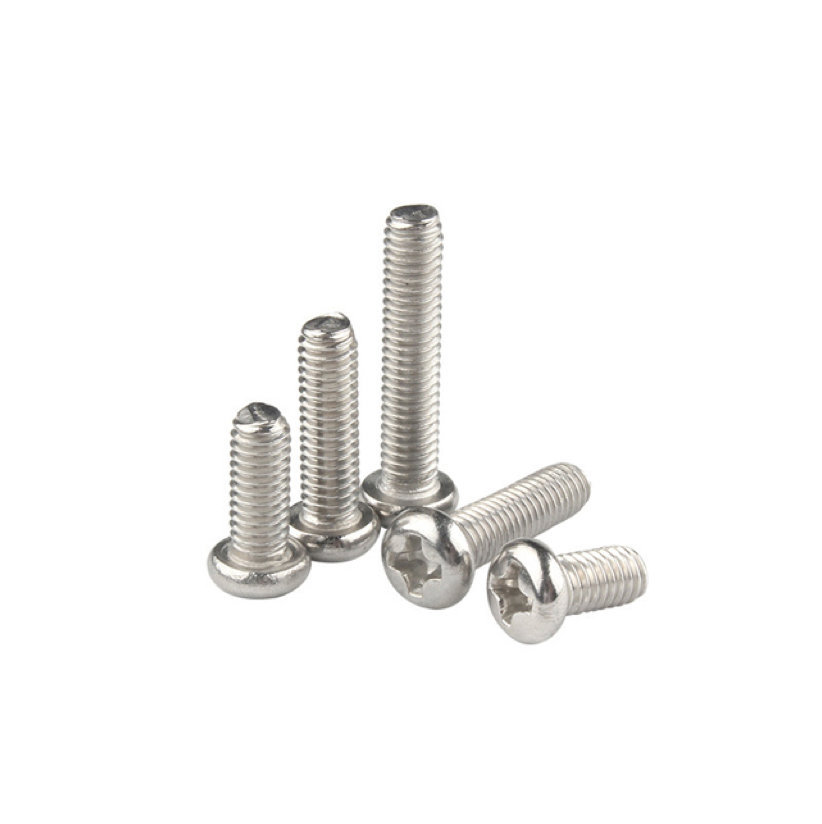
High Strength Friction Grip (HSFG) Bolts
High Strength Friction Grip bolts, or HSFG bolts, are designed to create very strong, slip-resistant connections. They are made from quenched and tempered alloy steel, giving them high tensile strength—usually grades 8.8 to 10.9. These bolts are a step up from black bolts and turned and fitted bolts, especially for demanding structural applications.
Characteristics of HSFG Bolts:
Manufactured from hardened alloy steel for high strength.
Require precise tightening to reach proof load, ensuring strong clamping force.
Use hardened washers, often tapered for rolled steel sections, to distribute load evenly.
Load transfer happens through friction between connected plates, not by bearing on the bolt shank.
Holes for HSFG bolts are typically larger than standard to ease assembly, but connection strength depends on hole type and size.
Tightening methods include turn-of-nut, calibrated wrench, direct tension indicators, or special bolts indicating tension.
Applications in High-Stress Environments:
HSFG bolts are ideal for structures exposed to dynamic or fluctuating loads, such as:
Bridges and large steel frameworks.
High-rise buildings.
Heavy machinery foundations.
Situations where vibration or fatigue could cause loosening in other bolt types.
Because the friction grip prevents slip under working loads, these bolts maintain joint integrity better than black or turned and fitted bolts in such conditions.
Advantages of HSFG Bolts Over Other Types:
Superior resistance to slip and vibration-induced loosening.
Enable connections to handle fatigue and dynamic stresses effectively.
Allow for larger hole tolerances without compromising strength.
Provide more reliable and safer joints in critical structural applications.
Can be tightened to exact tension, ensuring consistent performance.
Installation Notes:
HSFG bolts must be installed carefully. Proper tensioning is key, achieved by:
Turning the nut a specified amount after snug-tightening.
Using calibrated torque wrenches for precise tension.
Employing direct tension indicators or special washers to verify correct load.
Incorrect tightening can reduce bolt performance or cause joint failure. Always use hardened washers and follow specified tightening procedures when installing HSFG bolts to ensure maximum friction grip and joint safety.
Comparison of the Three Bolt Types
When choosing bolts for construction or mechanical projects, understanding the differences between Black Bolts, Turned and Fitted Bolts, and High Strength Friction Grip (HSFG) Bolts is key.
Key Differences
Black Bolts are made from mild steel, generally Grade 4.6. They have moderate tensile strength and rely on a snug-tight fit to hold parts together. They transfer load mainly through bearing on the threads and shank and are suitable for static, low-stress applications.
Turned and Fitted Bolts have smooth, uniform shanks and fit closely in drilled holes with minimal clearance (about 1.5 to 2 mm larger than the bolt diameter). They are often made in higher grades like 8.8, providing better strength. Load transfer occurs through bearing on the bolt shank. These bolts are ideal for precise alignment but may loosen under dynamic or vibrating loads.
HSFG Bolts are made from quenched and tempered alloy steel, usually grades 8.8 to 10.9. They are tightened to specific tension levels, creating a strong clamping force. The load transfers through friction between connected plates, not by bearing. This friction grip prevents slip, making HSFG bolts excellent for high-stress, fatigue-prone, or vibrating environments.
Factors to Consider When Choosing Bolts
Load and Stress Conditions: For static, low-stress joints, black bolts often suffice. For applications needing precise alignment but low dynamic loading, turned and fitted bolts work well. For dynamic or fatigue-prone joints, HSFG bolts are preferred due to their friction grip.
Installation Requirements: Black bolts require less specialized tools and are easier to install. Turned and fitted bolts need accurate hole drilling and snug fitting. HSFG bolts demand precise tensioning methods, often involving calibrated wrenches or direct tension indicators.
Slip Resistance: HSFG bolts offer the highest slip resistance. Turned and fitted bolts provide moderate resistance, while black bolts have the least.
Durability and Vibration Resistance: HSFG bolts resist loosening under vibration best. Turned and fitted bolts can loosen under fluctuating loads, and black bolts are most prone to loosening.
Cost Implications
Black Bolts are the most cost-effective option, suitable for simple, low-stress applications.
Turned and Fitted Bolts cost more due to higher material grades and tighter manufacturing tolerances.
HSFG Bolts are the most expensive, reflecting their superior strength and performance. However, their use can reduce maintenance costs and increase safety in critical structures.
Bolt Selection and Installation Tips
Selecting the right bolt type is crucial for any construction or mechanical project. It ensures safety, strength, and durability. Here are some key guidelines to help you choose and install bolts properly.
Guidelines for Selecting the Appropriate Bolt Type
Assess Load Requirements: Consider whether the joint will experience static or dynamic loads. Black bolts work well for static, low-stress connections. For precise alignment under static loads, turned and fitted bolts are suitable. For joints exposed to vibration, fatigue, or fluctuating loads, HSFG bolts are the best choice.
Evaluate Environmental Conditions: If the environment is corrosive or exposed to moisture, select bolts with suitable coatings or materials like stainless steel. Black bolts may require protective painting or treatment in such cases.
Check Installation Constraints: Some bolts need special tools or precise hole sizes. HSFG bolts require calibrated tightening tools and hardened washers. Turned and fitted bolts need accurately drilled holes for a snug fit. Black bolts are easier to install with standard tools.
Consider Cost vs. Performance: Black bolts are cost-effective for simple applications. Turned and fitted bolts cost more but offer better precision. HSFG bolts are the most expensive but provide superior strength and slip resistance in critical joints.
Best Practices for Installing Bolts
Use Proper Tools: Always use the correct wrench, torque wrench, or calibrated tools to tighten bolts. This prevents under-tightening or over-tightening, which can lead to joint failure.
Follow Tightening Procedures: For HSFG bolts, follow the specified tightening method such as turn-of-nut or calibrated wrench method to reach the proof load. Use hardened washers and ensure the bolt tension is correct.
Maintain Hole Quality: For turned and fitted bolts, drill holes with tight tolerances to ensure a snug fit. Avoid oversized holes that can reduce load transfer efficiency.
Apply Lubrication if Needed: Some bolts require lubrication to achieve proper tension without galling. Check manufacturer recommendations.
Use Washers Appropriately: Washers help distribute load evenly and protect surfaces. Hardened washers are essential for HSFG bolts.
Common Mistakes to Avoid During Bolt Installation
Over-tightening Black Bolts: Black bolts can twist off if tightened beyond snug tight. Tighten only enough to bring parts firmly together.
Ignoring Hole Tolerances: Loose holes for turned and fitted bolts can cause slippage and loosening under load.
Skipping Proof Load Checks on HSFG Bolts: Not achieving the required tension reduces friction grip and joint strength.
Using Incorrect Washers: Soft washers under HSFG bolts reduce clamping force and can cause joint failure.
Neglecting Regular Inspection: Bolted joints should be inspected periodically for loosening, corrosion, or damage, especially in dynamic environments.
By carefully selecting the right bolt type and following proper installation steps, you ensure your structure's safety and longevity. Always match your bolt choice to load conditions and environment, and use calibrated tools to achieve the correct bolt tension for maximum joint reliability.
Conclusion
Choosing the right type of bolt is crucial for ensuring structural integrity and safety in construction projects. Black bolts, turned and fitted bolts, and High Strength Friction Grip (HSFG) bolts each serve unique purposes. Selecting the appropriate bolt type depends on load conditions, environmental factors, and installation requirements. By understanding these differences, you can optimize construction safety and efficiency. GOSHEN offers a range of high-quality bolt solutions, providing exceptional value and reliability for various construction needs.
FAQ
Q: What is a hex bolt and how does it differ from other bolt types?
A: A hex bolt is a type of bolt characterized by its hexagonal head, designed for easy tightening with a wrench. Unlike black bolts, hex bolts often come with various coatings for corrosion resistance, and they differ from turned and fitted bolts in that they do not require precise hole fitting.
Q: Why are hex bolts commonly used in construction?
A: Hex bolts are popular in construction due to their versatility, ease of installation, and availability in various sizes and materials. They provide reliable strength for both static and dynamic loads, making them suitable for diverse applications.
Q: How do hex bolts compare in cost to black bolts?
A: Hex bolts can be more expensive than black bolts due to their enhanced material properties and coatings for corrosion resistance. However, they offer better durability and performance, which can justify the higher cost in demanding applications.
Q: Can hex bolts be used in high-stress environments like HSFG bolts?
A: While hex bolts provide good strength, HSFG bolts are specifically designed for high-stress environments, offering superior slip resistance and fatigue handling. Hex bolts are suitable for medium-stress applications but might not match the performance of HSFG bolts under extreme conditions.
