

How To Match A Machine Screw with The Right Nut?
Views: 0 Author: Site Editor Publish Time: 2026-01-30 Origin: Site


Introduction
Have you ever struggled to find the right nut for your Machine Screw? The wrong match can lead to weak connections and mechanical failure. But don’t worry, choosing the right fasteners doesn’t have to be a challenge.
In this article, we’ll break down how to properly match a Machine Screw with the right nut. You’ll learn the factors that affect their compatibility, including thread type, pitch, and material. By the end, you’ll be confident in selecting the perfect pairing for your next project.
What is a Machine Screw?
A Machine Screw is a fastener designed with a threaded shaft to secure two or more components together. Typically, Machine Screws are used in pre-tapped holes in machinery, vehicles, or electronic devices. They come in a variety of sizes, materials, and thread types to fit specific needs. Unlike wood screws, which are designed for use in softer materials like wood, Machine Screws are primarily intended for use in metal or plastic, often in industrial or mechanical environments.
Machine Screws are also often paired with nuts, which complement the threads of the screw and provide additional stability and security. The choice of nut plays a significant role in ensuring that the fastener performs its intended function without failure.
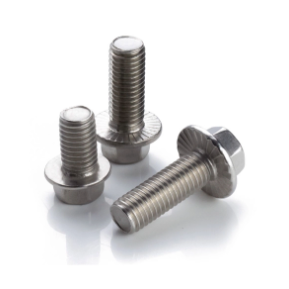
Key Features of Machine Screws
1. Thread Type
Thread type is one of the most important factors when matching a Machine Screw with a nut. The two primary thread systems are:
● Unified Thread Standard (UTS): This system is commonly used in the United States and is characterized by a flat thread profile. It is used in a wide range of industrial applications, especially in machinery and automotive industries.
● Metric Thread: Predominantly used outside the United States, metric threads have a rounded profile and are most common in Europe, Asia, and many international standards.
Thread type compatibility is crucial because mismatched threads, even if they appear to be similar in diameter, will not fit together properly. This can lead to failure, as the screw and nut will not engage securely. Using a Machine Screw and nut with the same thread type guarantees the fasteners work together smoothly.
2. Thread Pitch
Thread pitch refers to the distance between the threads of a screw. It is crucial that the pitch of the screw and nut match perfectly for them to engage securely. Thread pitch is measured differently for imperial and metric screws:
● Imperial Thread Pitch: Measured in Threads Per Inch (TPI), which indicates how many threads are present in one inch of length.
● Metric Thread Pitch: Measured in millimeters per thread, where the pitch indicates the distance between each thread.
When pairing a Machine Screw with a nut, matching the thread pitch ensures a tight and secure connection. Mismatched pitches will prevent the threads from engaging properly, causing weak connections and potential failure. For example, a screw with a 1.0mm pitch should be paired with a nut that also has a 1.0mm pitch.
3. Material Compatibility
The material of both the Machine Screw and the nut is another critical consideration. Materials affect the strength, durability, and corrosion resistance of the fastener. Common materials include:
● Stainless Steel: Known for its excellent resistance to corrosion, stainless steel is often used in outdoor, marine, and food-processing applications. Both the Machine Screw and the nut should be made of stainless steel to maintain the corrosion-resistant properties.
● Brass: Brass is often used for decorative purposes or in applications where corrosion resistance is required, but it is not as strong as stainless steel. It’s commonly found in electrical and plumbing systems.
● Steel: Steel is the most commonly used material due to its high strength and cost-effectiveness. Steel Machine Screws are often paired with steel nuts for heavy-duty applications.
Using compatible materials ensures that the fasteners perform well under the conditions they will be exposed to. A mismatch in materials can lead to galvanic corrosion, which weakens the connection over time.
How to Measure a Machine Screw for Nut Matching
1. Measure the Diameter
To match a Machine Screw with the right nut, you first need to measure the screw’s diameter accurately. Use digital calipers to measure the outer diameter of the threaded section of the screw. This measurement is crucial because the nut’s internal diameter must match the screw’s external diameter for proper engagement.
● For countersunk screws, measure the entire length, including the head.
● For raised-head screws, measure from the base of the head to the tip of the screw.
Accurate diameter measurement ensures that the nut will fit onto the Machine Screw without being too loose or too tight. This step is vital in ensuring the performance and safety of your mechanical assembly.
2. Determine the Thread Pitch
Thread pitch refers to the distance between each thread. To determine the pitch of the Machine Screw, use a thread gauge. This tool helps you measure the distance between the threads, allowing you to find the precise pitch for the Machine Screw.
● For metric screws, the thread pitch is measured in millimeters between each thread.
● For imperial screws, the thread pitch is measured by Threads Per Inch (TPI).
Matching the correct thread pitch ensures that the threads will engage smoothly without slipping, resulting in a secure, reliable connection.
3. Match the Nut
Once you have the measurements for diameter and pitch, the next step is to find a nut that matches these specifications. When testing the fit, the nut should screw on smoothly without any resistance. If the nut feels loose or tight after a few turns, it’s an indication that the screw and nut have mismatched threads.
Here is a quick reference chart to ensure you are matching the right screw and nut:
Screw Diameter | Nut Size | Thread Pitch |
5mm | M5 | 0.8mm |
6mm | M6 | 1.0mm |
8mm | M8 | 1.25mm |
10mm | M10 | 1.5mm |
Common Types of Nuts for Machine Screws
Choosing the right type of nut for your Machine Screw is essential to ensure a secure and stable connection. Different nuts are designed for specific applications, depending on factors like vibration, load, and ease of adjustment. Below, we explore the most common types of nuts used with Machine Screws and their ideal applications.
1. Hex Nuts
Hex nuts are the most widely used type of nut and are perfect for general-purpose applications. These nuts feature a six-sided shape, making them easy to grip with a wrench or spanner, providing a tight, secure fit. Machine Screws paired with hex nuts offer a strong connection, making them suitable for a wide range of applications, including machinery, automotive, and construction projects.
Hex nuts are versatile and available in different sizes, making them ideal for medium to heavy-duty fastening needs. Due to their simple design and ability to provide excellent torque resistance, hex nuts are commonly used in industrial machinery, structural projects, and even household items where a robust fastening solution is needed.
In addition, hex nuts are easy to install and remove, which makes them suitable for applications requiring frequent maintenance or disassembly.
2. Lock Nuts
Lock nuts are designed to prevent loosening, even in high-vibration environments. They are perfect for applications where movement or vibration could cause traditional nuts to come loose over time. There are several types of lock nuts, each designed to handle different environments and needs:
● Nylon-Insert Lock Nuts: These nuts feature a nylon insert that adds friction between the nut and Machine Screw, preventing the nut from loosening under stress. They are ideal for moderate vibration applications, such as in automotive systems and electrical equipment.
● Prevailing Torque Lock Nuts: These nuts have a deformed section that resists loosening, even under extreme vibrations. These are commonly used in high-stress environments, such as aerospace, heavy machinery, and automotive applications.
Lock nuts are a critical choice in industries that require a secure, vibration-resistant connection. Using lock nuts with Machine Screws ensures the connection remains tight, reducing the risk of mechanical failure due to loosening.
3. Wing Nuts
Wing nuts are designed for applications where quick and easy manual adjustment is necessary. They have two "wings" that allow users to tighten or loosen them by hand without the need for tools. This feature makes wing nuts ideal for situations where parts need to be assembled or disassembled quickly, such as in furniture assembly or electrical equipment that may require frequent access.
While not as strong as hex nuts, Machine Screws paired with wing nuts work well for lightweight applications where the connection doesn’t have to withstand heavy loads or extreme stress. For example, wing nuts are commonly used in DIY projects, electronics, and certain household items where ease of use is more important than load-bearing capacity.
Despite their convenience, wing nuts should not be used in high-stress or high-torque applications, as they are not designed for heavy-duty or permanent connections.
Tip: The right choice of nut will ensure that your Machine Screw provides a secure, reliabl e connection for your specific application. Each nut type has its own advantages depending on the needs of the project, whether it’s ensuring a tight fit in vibration-prone environments or offering easy manual adjustments in less demanding tasks.
Why Properly Matching Machine Screws and Nuts Matters
Matching the correct Machine Screw with the right nut is vital for ensuring the strength, reliability, and longevity of your mechanical assemblies. Mismatched fasteners can lead to weak connections, reduced performance, and mechanical failure. Below, we explore the key reasons why pairing the right screw and nut matters.
1. Mechanical Integrity
The correct pairing of a Machine Screw and nut ensures that the threads engage properly, creating a secure and stable connection. Mismatched fasteners may lead to poorly engaged threads, resulting in weak connections that can break under stress or vibration. This can significantly compromise the structural integrity of mechanical systems.
When paired correctly, the screw and nut provide a strong bond, improving the overall stability of the assembly.
2. Performance and Durability
A proper match between a Machine Screw and nut enhances the connection's longevity. Mismatched fasteners may cause premature wear or damage, leading to frequent repairs. For example, using a screw with an improper pitch can cause threads to wear out quickly, weakening the connection.
By choosing the right components, you ensure optimal performance and a longer-lasting assembly.
3. Safety and Cost-Effectiveness
Incorrectly matched fasteners increase the risk of mechanical failures, which can be both dangerous and costly. A secure connection from the outset minimizes the chances of equipment malfunction and avoids unnecessary repairs. This makes it a more cost-effective choice in the long run.
By properly matching Machine Screws and nuts, you also ensure a safer working environment and fewer safety risks associated with weak connections.
Benefit | Proper Matching | Mismatched Fasteners |
Mechanical Integrity | Strong, stable connection | Weak connection, possible failure |
Durability | Long-lasting connection | Premature wear and damage |
Cost Effectiveness | Fewer repairs and replacements | Increased downtime and repair costs |
Safety | Safe operation | Increased safety risks |
Conclusion
In conclusion, properly matching a Machine Screw with the right nut is crucial for achieving a secure, durable, and reliable connection. By understanding key factors like thread type, pitch, and material compatibility, you can ensure optimal performance and safety in your projects.
For high-quality fasteners, including Machine Screws and nuts, consider products from Jiaxing Goshen Hardware Co., Ltd.. Their precision-engineered fasteners offer excellent durability and reliability, making them ideal for a wide range of applications. Trust in their expertise and top-tier products to meet your fastening needs.
FAQ
Q: What is a Machine Screw?
A: A Machine Screw is a fastener with a threaded shaft used to connect components, primarily in metalworking and industrial applications. It is designed to fit into pre-tapped holes and is often paired with a nut for secure fastening.
Q: How do I choose the right nut for my Machine Screw?
A: To match a Machine Screw with the right nut, consider factors such as thread type, pitch, diameter, and material. Ensure that both the screw and nut are compatible to provide a secure and stable connection.
Q: Why is matching a Machine Screw with the right nut important?
A: Properly matching a Machine Screw with the right nut ensures a strong, stable connection, enhancing the durability and performance of your assembly. A poor match can lead to stripped threads, weak joints, and potential failure.
Q: Can I use any nut with my Machine Screw?
A: No, it’s essential to match the thread type, pitch, and size of the Machine Screw with the corresponding nut. Mismatched fasteners can result in poor engagement, compromising the strength and stability of the connection.
