

Do You Need To Pre-drill Holes for Self-tapping Screws?
Views: 0 Author: Site Editor Publish Time: 2025-12-23 Origin: Site


Self-tapping screws are a unique type of screw designed to cut and tap their own hole as they are driven into various materials, eliminating the need for a pre-drilled pilot hole in many cases. These screws are widely used in a variety of applications, including construction, automotive assembly, electronics, and DIY projects. Their ability to create their own threading as they penetrate materials such as wood, plastic, and thin metal makes them incredibly versatile and efficient.
However, a common question arises when using self-tapping screws: "Do you need to pre-drill holes for self-tapping screws?" While these screws are designed to work without pre-drilling in many cases, the answer depends on factors such as the material, screw size, and the specific application. In this article, we will explore when pre-drilling is necessary and when it’s not, providing you with the insights you need to use self-tapping screws effectively for your projects.
What Are Self-Tapping Screws?
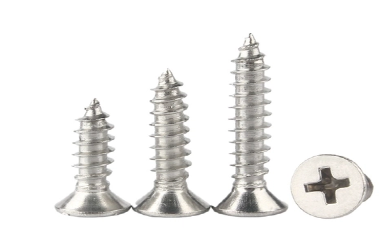
Self-tapping screws are fasteners that create their own threads as they are driven into materials, eliminating the need for a pre-drilled hole. Their self-cutting ability makes them ideal for use in wood, plastic, and thin metal, offering a quick and efficient way to secure materials without extra preparation.
1.Characteristics of Self-Tapping Screws
Self-Cutting Ability
Self-tapping screws have sharp threads that cut into the material as they are driven in, forming their own thread. This feature allows them to work without pre-drilling, saving time and effort.
Self-Locking Ability
The threads of self-tapping screws lock tightly within the material, ensuring a secure fastening that resists loosening, even under stress or vibration.
2.Common Types of Self-Tapping Screws
Cross-Slot Screws
Also known as Phillips screws, these have a cross-shaped slot for better grip during installation, commonly used in electronics and automotive assembly.
Sheet Metal Screws
Designed for fastening thin metal sheets, these screws have sharp threads that cut through metal, providing a secure hold in metalworking and construction.
Self-Drilling Screws
These screws feature a built-in drill bit at the tip, allowing them to drill and tap their own hole, ideal for thicker metals or hard materials.
Wood Screws
Often considered self-tapping, wood screws have tapered threads to cut into wood, making them perfect for woodworking projects.
Plastic Screws
Designed for plastic materials, these screws have threads that cut into plastic without cracking, commonly used in electronics and plastic enclosures.
Do You Need to Pre-Drill Holes for Self-Tapping Screws?
In most cases, self-tapping screws do not require pre-drilled holes. The unique design of these screws allows them to cut their own threads as they are driven into materials, making them highly efficient and versatile. This self-cutting ability is what sets them apart from regular screws and is one of the reasons they are so widely used in a variety of applications.
However, there are exceptions where pre-drilling may be necessary. For instance, when working with certain materials or larger self-tapping screws, drilling a hole beforehand can help ensure a more precise, secure, and easier installation.
1.When Pre-Drilling Is Needed:
Harder Materials
If you're working with dense or hard materials such as steel, hardwood, or thick metals, the self-tapping screw may struggle to penetrate effectively. In these cases, pre-drilling a pilot hole can help the screw enter the material more easily, reducing the risk of damaging the screw or the workpiece.
Larger Screws
For larger self-tapping screws, especially those with a large diameter, pre-drilling may be necessary to accommodate the size of the screw. Without a pilot hole, the larger threads may not cut cleanly, which could result in a weaker or less secure fastening.
2.Why Pre-Drilling May Be Necessary:
The need for pre-drilling comes down to the design of the screw and the properties of the material. Self-tapping screws are designed with sharp threads to cut into the material, but the density and hardness of the material can affect the screw's ability to create a clean, tight thread. In softer materials like wood or plastic, the screw can typically cut its own path without issue. However, in harder materials, the screw may have trouble creating the necessary threads, which could lead to damage or poor performance. Pre-drilling helps by providing a clearer path for the screw to follow, ensuring that it cuts properly and locks tightly into place.
Benefits and Necessity of Pre-Drilling Holes
While self-tapping screws are designed to cut their own threads in many materials, there are several benefits to pre-drilling holes before installation, especially in certain situations. Pre-drilling can help prevent issues such as screw damage, misalignment, or weak connections, ensuring a more secure and reliable fastening.
1.Advantages of Pre-Drilling:
Prevents Screw Damage
Pre-drilling helps reduce the stress placed on the screw as it enters the material. Without a pilot hole, the screw may experience excessive friction, leading to the possibility of the threads becoming damaged or the screw breaking during installation. Pre-drilling ensures the screw can enter smoothly without unnecessary strain.
Improves Accuracy
Pre-drilling creates a precise starting point for the screw, which helps improve alignment and accuracy. This is particularly important in situations where exact placement of the screw is crucial, such as in precision work or when working with multiple fasteners that need to align perfectly.
Ensures Stronger Fastening
A properly sized pilot hole ensures that the self-tapping screw can cut clean, well-formed threads in the material, resulting in a more secure and durable connection. Pre-drilling can also reduce the risk of splitting or cracking, especially in materials like wood or plastic, which can be more fragile.
2.Situations Where Pre-Drilling Is Recommended:
Harder Materials (e.g., Steel, Hardwood)
For materials like steel, thick metals, or dense hardwood, the self-tapping screw may have difficulty cutting through the material on its own. Pre-drilling a pilot hole makes it easier for the screw to penetrate and form strong, tight threads, ensuring a more efficient and secure installation.
Large Diameter Screws
When using larger self-tapping screws, pre-drilling becomes more important. Larger screws require more force to drive into the material, and without a proper pilot hole, the screw may not cut through the material cleanly. A pre-drilled hole ensures the screw can create a strong connection without unnecessary effort or damage.
Fine or Precision Work
In applications that require fine, precise work—such as electronics assembly or delicate woodworking—pre-drilling can help ensure that screws are driven in at the correct angle and position. It reduces the likelihood of damaging sensitive materials or components and ensures an accurate, professional result.
How to Choose the Right Self-Tapping Screw?
Choosing the right self-tapping screw ensures a secure, durable connection. Consider the material you're working with and the screw's size for optimal performance.
1.Choosing Screw Types Based on Material
Wood
Wood screws have coarse threads that cut into wood fibers for a strong hold. For softwoods, pre-drilling is often unnecessary, but hardwoods may require a pilot hole to prevent splitting.
Metal
Use sheet metal screws or self-drilling screws for metal. These have sharp, fine threads that allow easy penetration of thin metals like aluminum or steel. For thicker metals, self-drilling screws with a built-in drill bit are ideal.
Plastic
For plastic, choose screws with finer threads to avoid cracking or damaging the material. These screws create tight threads without harming delicate plastic surfaces.
Other Materials
For materials like drywall or masonry, use specialized screws designed for those applications, such as drywall screws or masonry anchors.
2.Choosing the Right Screw Size: Length and Diameter
Length
The screw should be long enough to penetrate both materials you're fastening, with extra length for a secure hold. Ensure the screw goes into the material deeply enough for a firm connection.
Diameter
The diameter should match the material's thickness. A screw that's too thin may lack grip, while one that's too thick could damage the material. For soft materials, a thicker screw offers a stronger hold, but thinner screws are better for delicate materials like plastic.
Thread Pitch
Coarser threads work best for wood, while finer threads are ideal for metal. Ensure the thread pitch suits the material and load requirements for the best results.
FAQ (Frequently Asked Questions)
1. What are self-tapping screws, and how are they different from regular screws?
Self-tapping screws have the ability to create their own hole as they are driven into the material. Unlike regular screws, which require a pre-drilled hole, self-tapping screws can drill and tap into materials like wood, plastic, and thin metals without additional preparation.
2. What materials can self-tapping screws be used on?
Self-tapping screws are suitable for a wide range of materials, including wood, metal (such as aluminum and thin steel), plastic, and composite materials. They are especially effective for medium-soft materials.
3. Why do some self-tapping screws require pre-drilling?
In cases where the material is particularly hard, or when using larger self-tapping screws, pre-drilling may be necessary. Pre-drilling helps the screw enter the material more smoothly, reducing the risk of screw damage or misalignment and ensuring a secure fit.
4. How do I choose the right size self-tapping screw?
When selecting a self-tapping screw, it’s essential to match the screw length and diameter to the thickness of the material. Additionally, consider the screw type (e.g., coarse thread vs. fine thread) based on the material’s properties. Always ensure that the screw’s size is appropriate for the job at hand to ensure proper fastening.
Conclusion
In most cases, self-tapping screws do not require pre-drilling, as their design allows them to cut their own threads as they are driven into the material. However, there are certain situations where pre-drilling may be necessary, such as when working with hard materials like steel or hardwood, or when using larger self-tapping screws that may struggle to cut clean threads without a pilot hole. To ensure optimal results and durability, it's important to select the right screw type for the material, choose the appropriate screw size (length and diameter), and consider pre-drilling when needed to avoid damage and ensure a secure, long-lasting connection. Proper use of self-tapping screws will not only improve efficiency but also enhance the quality of your work.
