

Are Structural Screws As Good As Nails?
Views: 0 Author: Site Editor Publish Time: 2025-12-24 Origin: Site


The debate between structural screws and nails has been a long-standing discussion in the construction and woodworking industries. Both fasteners are essential for different applications, but they each come with unique benefits and limitations. Flat head structural screws are known for their strong, secure hold and are widely used in applications where durability and precision are crucial. On the other hand, nails have been the traditional choice for quick assembly and flexibility in certain structures. So, the question arises: Are structural screws as good as nails? This article will explore the differences between these two fasteners, comparing their performance in terms of strength, installation speed, cost, and material compatibility to help determine which is best suited for various projects.
What Are Structural Screws and Nails?
Flat Head Structural Screws and nails are both essential fasteners in construction, carpentry, and structural applications, but they differ in design, installation, and performance.
1.Flat Head Structural Screws
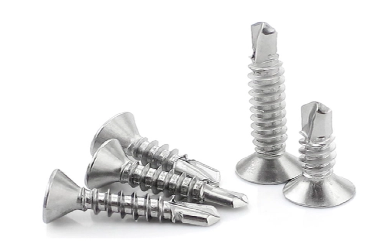
Flat head structural screws are high-strength screws designed for structural use, featuring a flat, wide head that sits flush with the surface. They have sharp, deep threads that cut into materials, providing a strong, durable hold. These screws are often used in framing, securing beams, and fastening heavy materials, offering superior holding power and resistance to loosening over time. They are ideal for applications where long-lasting, precise connections are needed.
2.Nails
Nails are simpler fasteners with a smooth or textured shaft and a flat or round head. Driven into materials using a hammer or nail gun, nails rely on friction and material resistance for holding power. While nails are quicker to install than screws, they may not offer the same strength or long-term stability. They are commonly used for framing, roofing, and large-scale projects where speed is a priority.
3.Roles in Construction, Carpentry, and Structural Applications
Structural screws are favored in applications requiring high holding power, such as attaching heavy beams or securing decking, and are especially useful in materials prone to splitting. Nails are ideal for tasks like framing and sheathing, where speed is essential, and some flexibility is needed within the structure. Generally, nails are more cost-effective for large projects, while screws provide better performance in demanding applications.
Key Differences Between Structural Screws and Nails
When choosing between flat head structural screws and nails, it's important to understand how they differ in design, strength, durability, and material compatibility. These differences can impact the effectiveness and longevity of the fastening in various applications.
1.Design and Function: Head Shape, Threading, and Installation Methods
Structural Screws:
Flat head structural screws feature a wide, flat head that sits flush with the surface, providing a clean finish. The threaded shaft allows the screw to cut into the material, creating a strong bond. The installation process typically involves using a drill or screwdriver, ensuring precise control during insertion.
Nails:
Nails have a smooth or slightly textured shaft with a flat or round head. They rely on friction and resistance from the material to hold them in place. Nails are driven into the material using a hammer or a nail gun, making them quicker to install but less precise than screws.
2.Strength and Durability: Consistent Holding Power
Structural Screws:
Screws offer superior and more consistent holding power because of their threaded design, which bites into the material for a secure fit. The threads provide excellent resistance to loosening over time, making screws ideal for high-stress applications where stability is essential. Additionally, structural screws maintain their hold even in materials prone to expansion or contraction.
Nails:
Nails generally provide less consistent holding power over time. While nails can secure materials quickly, they can loosen under stress, vibration, or over time. The absence of threads means that nails rely on the material's resistance to maintain grip. In some cases, nails are also more prone to corrosion, which can weaken their effectiveness.
3.Material Compatibility: Performance in Wood, Metal, and Other Materials
Structural Screws:
Structural screws are highly versatile and work well with a range of materials, including wood, metal, plastic, and composites. The threaded design allows them to perform effectively in dense, hard materials without damaging the material, such as causing wood splitting or deformation. Their corrosion-resistant coatings also ensure long-lasting performance in outdoor and high-moisture environments.
Nails:
Nails are primarily used for wood and framing, where quick installation is a priority. While nails can work in some metal applications, they are less effective in harder materials and may struggle with thicker metals or materials prone to splitting. Nails are also more susceptible to rusting and corrosion, which can compromise their durability, especially in outdoor or high-humidity environments.
Advantages of Structural Screws
Flat head structural screws offer several benefits, making them ideal for construction and carpentry applications. These include superior holding power, reduced material damage, long-term durability, and easy removal.
1.Superior Holding Power
Structural screws provide stronger, more secure connections thanks to their threaded design. The threads grip the material more firmly than nails, ensuring a stable, long-lasting hold. This makes them perfect for high-stress applications like framing and securing heavy materials.
2.Less Risk of Splitting
Screws are less likely to split materials, especially hardwood. The threads gradually cut into the material, reducing the force that causes splitting, unlike nails, which can cause damage to delicate materials.
3.Long-Term Durability
Structural screws offer long-term strength and resist loosening over time. They perform well under stress and in changing environmental conditions. Made from strong, corrosion-resistant materials, they maintain a secure hold, making them reliable over years of use.
4.Ease of Removal
Structural screws are easy to remove without damaging surrounding materials. Unlike nails, which can be tough to extract, screws can be removed with a screwdriver or drill, making adjustments or disassembly straightforward.
Advantages of Nails
While flat head structural screws offer many benefits, nails also have several advantages, especially in specific construction and carpentry applications. These include speed of installation, flexibility in structures, and cost-effectiveness.
1.Speed of Installation
Nails are much faster to install than screws, particularly when using a nail gun. This makes them ideal for projects that require rapid assembly, such as framing or sheathing, where time is a critical factor. The ability to drive nails quickly helps improve productivity on large-scale construction projects.
2.Flexibility
Nails provide some flexibility in structures, allowing them to absorb slight movements or shifts. This can be beneficial in applications like wood framing, where a little movement can help prevent damage due to expansion and contraction of materials over time. Nails allow for slight flexibility under load, reducing the risk of cracking or splitting in materials.
3.Cost-Effectiveness
Nails are typically less expensive than screws, making them a more cost-effective solution for large-scale projects or when budget constraints are a concern. For applications where ultimate strength and long-term durability are not critical, nails offer a good balance of performance and affordability.
When to Use Structural Screws vs. Nails
Here’s a comparison of when structural screws and nails should be used, along with specific use cases where one might outperform the other.
Application | Structural Screws | Nails |
Framing | Preferred for framing when strength and long-term holding power are crucial. | Commonly used for framing when speed is prioritized over strength. |
Detailed Woodworking | Ideal for detailed woodworking where precision, durability, and secure connections are required. | Suitable for general woodworking where speed is important, but strength isn’t the main concern. |
Heavy Load Applications | Best for heavy load applications (e.g., beams, decks) due to their superior holding strength. | Used in framing and construction, but may not hold as well under heavy stress compared to screws. |
Quick Assembly | Not the fastest for large-volume projects but preferred when secure, long-term hold is needed. | Faster to install, making them the best option for large-scale, low-budget projects requiring rapid assembly. |
Outdoor Projects | Ideal for outdoor projects due to corrosion resistance and strong, durable connections. | Can be used in outdoor applications, but less effective in wet conditions or when corrosion is a concern. |
Remodeling/Repairs | Excellent for repairs and remodels as they can be removed and reinserted without causing damage. | Good for quick repairs, temporary fixes, or when a less expensive option is needed. |
This table highlights which fastener is best suited for different tasks, helping you decide when to use structural screws or nails depending on your project’s requirements.
FAQ (Frequently Asked Questions)
1. Can structural screws be used in place of nails for all types of construction?
While structural screws can be used in place of nails in many applications, they are typically preferred for high-stress, long-term, or detailed projects. Nails may still be better suited for framing, roofing, or large-volume projects due to their speed and cost-effectiveness.
2. Do structural screws cost more than nails?
Yes, structural screws are generally more expensive than nails due to their stronger material composition, threading, and design. However, the added cost is often justified by the superior performance and long-term durability they provide.
3. Are nails more likely to fail over time compared to structural screws?
Yes, nails may lose their holding power over time due to factors such as corrosion or movement in the materials they are fastening. Structural screws, on the other hand, offer superior durability and are less likely to loosen, providing a more reliable connection in the long run.
4. Can I use structural screws for all types of materials?
Yes, flat head structural screws are versatile and can be used in wood, metal, plastic, and other materials. They are particularly useful in situations where strong, reliable connections are required, and are less likely to cause material damage compared to nails.
Conclusion
Choosing the right fastener for your project is crucial to ensuring its strength, durability, and overall performance. Structural screws are ideal for applications requiring superior holding power, long-term durability, and precision, such as heavy load-bearing tasks, detailed woodworking, and outdoor projects. They are particularly beneficial for repairs and remodeling, as they can be easily removed and reinserted without causing damage.
On the other hand, nails excel in situations where speed and cost-effectiveness are key, making them suitable for large-scale framing, quick assembly, and temporary fixes. While nails may not offer the same holding strength as screws, they are perfect for general woodworking and framing where flexibility and rapid installation are important.
By understanding the specific advantages of both structural screws and nails, you can select the most appropriate fastener for each unique application, ensuring the success and longevity of your construction or woodworking projects.
