


Are Self Tapping Screws Reusable in The Same Hole?
Views: 0 Author: Site Editor Publish Time: 2026-01-23 Origin: Site


Introduction
Many people wonder: can you reuse a self tapping screw in the same hole? The answer isn't always straightforward, and reusing screws may lead to weakened connections.
In this article, we will explore when it’s okay to reuse self tapping screws and when it's best to replace them. You will learn about factors such as material type, screw condition, and reusability in different applications. By the end, you'll have a clear understanding of how to make the best decision for your projects.
What Are Self Tapping Screws?
Definition of Self Tapping Screws
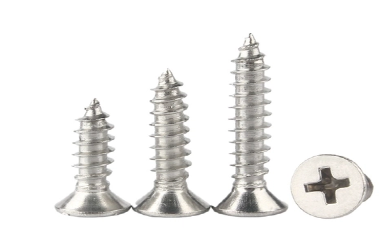
Self tapping screws are screws designed to tap their own threads into a material as they are installed. This feature eliminates the need for a separate pre-drilled hole or tapping process, making them highly efficient for various applications. They typically have a sharp, pointed end and threads that cut into the material as the screw is driven in, ensuring a secure and tight fit without damaging the surrounding area.
Because of this self-threading ability, they are often used in a wide range of materials, including metals, plastics, and wood. This self-tapping feature makes them ideal for tasks that require speed and convenience without sacrificing strength.
Types of Self Tapping Screws
Self tapping screws come in two main types: thread-forming and thread-cutting. Understanding the difference between them is crucial for choosing the right screw for your project.
Type | Description | Best Use |
Thread-Forming | Displaces material to form threads | Softer materials like plastic and thin metals |
Thread-Cutting | Cuts away material to create threads | Harder materials like metals and thick plastics |
● Thread-Forming Screws: These screws create threads by pushing the material aside, which works best for softer materials. They provide a tight fit, and because they don’t remove material, they minimize the risk of producing chips or debris, making them ideal for plastic and lightweight metals.
● Thread-Cutting Screws: These screws remove material to create threads, which is particularly useful for harder materials. They are often used in metalworking because they can cut through tougher materials and provide a more secure thread engagement.
Common Uses of Self Tapping Screws
Self tapping screws are versatile and used across numerous industries. Some of their common uses include:
● Construction: Joining materials such as wood, metal, and plastics. Self tapping screws are widely used for framing, decking, and roofing.
● Automotive: Securing parts in car manufacturing, especially for joining metals and plastics.
● Electronics: Mounting components, fastening panels, and securing electrical devices.
● DIY and Home Projects: Assembling furniture, fixing fixtures, and various home improvement tasks.
Their ability to work in various materials and applications makes self tapping screws an essential tool for both professionals and hobbyists alike.
Key Factors That Affect Reusability of Self Tapping Screws
Material Type of the Substrate
The material being fastened plays a significant role in whether a self tapping screw can be reused. In softer materials like wood and plastic, the threads are less likely to be damaged, which makes reuse more viable. The material doesn’t deform as easily, so the screw can often be removed and reused without a significant loss in performance.
In harder materials, such as metals or fiberglass, the screw's threads are likely to be stripped or worn down when removed, making reusability difficult. When using self tapping screws in metal, the threads may cut through the material and cause a looser fit, preventing the screw from holding firmly upon reinstallation.
To maximize reusability, it’s important to match the screw type and size to the material being fastened.
Condition of the Screw After Removal
When a self tapping screw is removed, it may suffer damage to its threads, head, or shaft. If the screw’s threads are stripped or weakened during removal, reusing it in the same hole can lead to weak performance and potential failure of the joint.
For example, if the screw has been overtightened, the threads may become deformed, making it difficult for the screw to bite into the material again. In such cases, reusing the screw is not advisable as it could result in a loose connection.
Always inspect the screw carefully before attempting to reuse it. Look for stripped or deformed threads and check the condition of the screw’s head.
Installation Process
Proper installation is critical for ensuring that a self tapping screw can be reused. Over-tightening can lead to damage in the material and the screw, making it harder to remove without causing thread damage. Additionally, using the wrong size pilot hole can cause the screw to exert too much pressure on the material, causing the threads to strip prematurely.
Using the right pilot hole size and ensuring consistent torque during installation helps maintain the integrity of both the screw and the material, which improves the chances of reusability. A well-installed screw with the proper hole size will ensure a tighter fit, reducing wear and tear during removal.
Corrosion and Rust
Environmental factors like moisture can significantly impact the lifespan and reusability of self tapping screws. Screws that are exposed to harsh weather conditions or moisture may begin to corrode, weakening their structure and making them less effective for reuse.
Corrosion not only weakens the threads, but it can also make it more difficult to remove the screw without damaging it. In environments where moisture or corrosive elements are prevalent, opting for corrosion-resistant materials like stainless steel or using coated screws can help extend the screw's reusability.
When to Reuse Self Tapping Screws
Soft Materials: Wood and Plastic
Self tapping screws are more likely to be reusable in soft materials like wood and plastic. These materials do not cause as much wear on the screw's threads, allowing it to retain its holding power after removal. Reusing screws in wood and plastic is a good option when the threads are still intact, and the screw has not been overtightened or damaged during the installation process.
Light Use and Occasional Reassembly
For projects that involve light use or occasional disassembly, self tapping screws can be reused without significant loss of performance. For example, when assembling furniture or fixtures that will be taken apart and reassembled periodically, reusing screws in the same hole can help save time and effort, provided the material and screw threads remain intact.
Temporary Fastening Needs
In situations where the screw will not bear heavy loads or stress, reusing a self tapping screw may be acceptable. For example, if you're securing temporary fixtures or mock-ups, reusing screws can be a practical solution that saves both time and material costs.
When Not to Reuse Self Tapping Screws
Hard Materials (Metal, Fiberglass)
In hard materials such as metal and fiberglass, reusing self tapping screws is not typically recommended. The process of reinstalling a screw in these materials often leads to thread wear or stripping. The reason is that hard materials resist the threading process, putting a lot of strain on the screw's threads.
When the screw is driven into metal or fiberglass with too much torque, it can damage the threads. This leads to a weaker connection and the screw losing its ability to grip tightly. If you reuse a self tapping screw in metal or fiberglass, there is a high risk that the threads won’t form a secure connection. It’s often safer to replace the screw entirely to ensure that the connection remains strong and reliable.
Material | Potential Issue | Solution |
Metal | Thread wear, stripped threads | Replace screw to ensure strong hold |
Fiberglass | Threads fail to engage, strip easily | Always use a new screw to avoid failure |
Stripped or Damaged Threads
When a self tapping screw’s threads become stripped or damaged, the screw loses its ability to grip tightly in the material, making it ineffective. The damage can occur during installation, removal, or from external factors like corrosion. Stripped threads cause a loose connection that compromises the overall structure, leading to potential failure.
Once the threads are damaged, the screw will no longer hold the material securely, leading to weak joints. Trying to reuse a stripped screw will only worsen the issue. It's critical to check the condition of the screw before reusing it. If the threads are even slightly damaged, replace the screw with a new one to ensure a secure fit.
High Stress or Safety-Critical Areas
Self tapping screws should never be reused in high-stress or safety-critical applications. These areas demand screws that maintain their strength over time and under heavy loads. In such cases, reusing a screw could compromise the integrity of the structure, leading to dangerous failures under pressure.
For example, in load-bearing applications like structural steelwork, or in high-vibration areas like automotive or industrial machinery, the integrity of the screw connection is crucial. Reusing screws in these environments can lead to structural failure, risking damage or injury. Always use new screws in safety-critical areas to maintain the strength and reliability of the connection.
Best Practices for Reusing Self Tapping Screws
Proper Removal Techniques
When removing self tapping screws, it’s important to take extra care to avoid damaging the threads. Rough or aggressive removal methods can strip the screw or damage the material. Use the right tools, such as a proper driver or drill, to ensure the screw is removed without causing any harm.
If the screw is tight and difficult to remove, consider using a penetrating oil or lubricant. This can help loosen the screw without causing damage. Applying the lubricant allows the screw to be removed more easily, preserving the threads and the material. Avoid applying excessive force that could strip the threads or break the screw during removal.
Choosing the Right Size Screw and Pilot Hole
Choosing the correct size screw and pilot hole is key to ensuring that the self tapping screw can be reused. A pilot hole that is too small will place excessive strain on the screw during installation, which can damage the threads and prevent proper engagement. On the other hand, a pilot hole that is too large will result in poor thread engagement and a loose fit.
To optimize reusability, always ensure that the pilot hole size matches the screw's recommended dimensions. Refer to manufacturer guidelines and avoid deviating from the recommended sizes. For most materials, starting with the screw's minor diameter and adjusting based on material hardness will give you the best fit and increase the chances of successful reuse.
Pilot Hole Size | Effect of Size on Screw Reusability | Recommended Action |
Too Small | Increased torque, thread damage | Avoid—use the correct drill size |
Too Large | Loose fit, weak engagement, instability | Stick to recommended pilot hole size |
Correct Size | Optimal engagement, secure fit | Ensures reusability and secure hold |
Inspection Before Reuse
Before deciding to reuse a self tapping screw, always inspect it for any signs of wear or damage. Look for:
● Stripped threads: Even minor damage can make the screw ineffective.
● Corrosion: Rust or oxidation can weaken the screw, making it prone to breaking.
● Deformed head or shaft: Any deformation can prevent the screw from being installed or removed properly.
If any of these signs are present, replacing the screw is the safest option. Even if the screw looks intact, it’s always best to check the threads carefully to ensure they still have full integrity. A damaged screw, when reused, might cause the material to loosen over time, leading to failures in the project.
Conclusion
Self tapping screws are a cost-effective and efficient solution for many applications, but their reusability depends on factors like material type, screw condition, and application needs. In some cases, they can be reused effectively, while in others, replacing the screw is the best choice to ensure strong and secure connections.
For projects requiring reliable, durable screws, Jiaxing Goshen Hardware Co., Ltd. offers high-quality self tapping screws that are designed for long-lasting performance. Their products provide superior strength and flexibility, making them ideal for both temporary and permanent fastening needs.
FAQ
Q: Can Self Tapping Screws be reused in the same hole?
A: Self tapping screws can be reused in the same hole if the threads are intact and the material is soft. However, in harder materials, or if the screw threads are damaged, it’s best to replace the screw for a secure connection.
Q: What materials are best suited for Self Tapping Screws?
A: Self tapping screws work well with materials like wood, plastic, and thin metal. They are ideal for softer materials but may struggle with harder metals or fibrous materials, requiring a new screw if reusing is not viable.
Q: How do I ensure a secure fit when using Self Tapping Screws?
A: To ensure a secure fit, always use the correct pilot hole size and avoid over-tightening the screw. This helps preserve the screw's threads and ensures a firm hold without damaging the material.
Q: Are Self Tapping Screws stronger than regular screws?
A: Self tapping screws are designed to create their own threads as they are driven into the material, making them ideal for applications where drilling a pilot hole isn't feasible. While not inherently stronger, they offer better efficiency and reliability in certain materials.
