


What are the advantages of a flange bolt?
Views: 0 Author: Site Editor Publish Time: 2026-03-23 Origin: Site


Flange bolts are versatile fasteners designed to improve joint strength, stability, and assembly efficiency. They offer unique advantages over standard bolts by distributing load evenly, reducing loosening, and eliminating the need for separate washers. In construction, automotive, and industrial applications, flange bolts enhance performance under vibration, heavy loads, and repeated stress. This guide explores the main benefits of flange bolts, compares them to other fasteners, and helps you understand why engineers and builders often prefer them for reliable, long-lasting connections.
What Is a Flange Bolt?
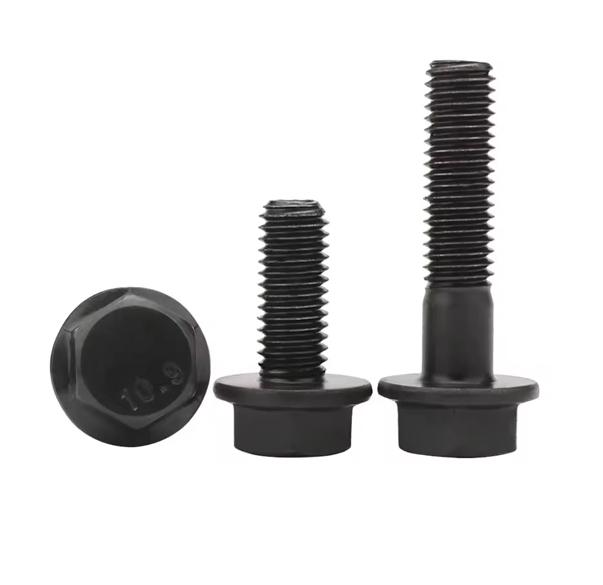
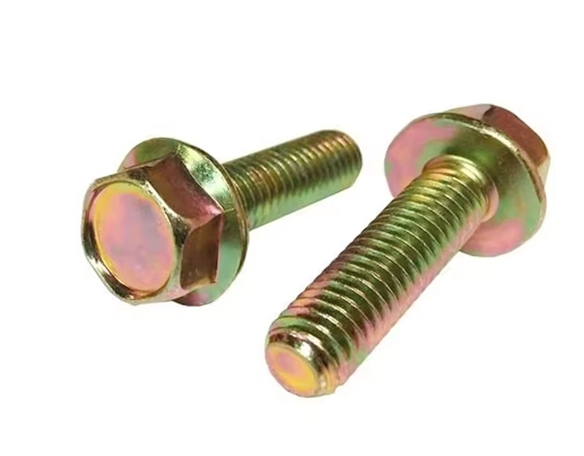
A flange bolt is a type of fastener designed to create strong and stable connections in mechanical and structural assemblies. It looks similar to a standard hex bolt, but it features an integrated flange beneath the bolt head. This flange increases the contact area between the bolt and the connected surface, helping distribute pressure more evenly and improving joint stability. Because of this design, flange bolts perform especially well in applications involving vibration, movement, or high loads.
Definition of a Flange Bolt
A flange bolt is defined by its built-in washer-like flange located directly under the head. This integrated flange presses against the surface during tightening, reducing localized stress and protecting the material being fastened. Compared to standard hex bolts, which usually require a separate washer, flange bolts provide better load distribution without additional components. They help prevent uneven pressure, surface damage, and loosening over time, making them a preferred choice in demanding environments.
| Feature | Flange Bolt | Standard Hex Bolt |
|---|---|---|
| Integrated flange | Yes | No |
| Load distribution | Wide and even | Concentrated |
| Washer required | No | Often required |
| Vibration resistance | Higher | Lower |
Key Components of a Flange Bolt
A flange bolt consists of several key parts that work together to create a secure connection. The bolt shank and threads generate clamping force and hold components together under tension. Thread design plays an important role in grip strength and resistance to loosening. The hex head allows easy tightening using common hand tools while supporting higher torque levels. Beneath the head, the integrated flange acts as a built-in washer, increasing surface contact, protecting materials, and improving stability when the assembly experiences vibration or shifting loads.
Common Types of Flange Bolts
Flange bolts are available in several variations to meet different application needs. Hex flange bolts are the most common type and are widely used in machinery, construction, and general industrial assemblies. Serrated flange bolts include teeth under the flange that bite into the surface, making them ideal for high-vibration environments where loosening is a concern. Smooth flange bolts are designed to protect softer or finished surfaces by reducing surface marking. High-strength flange bolts are engineered to handle heavy loads and repeated stress cycles, often used in automotive and structural applications. Stainless steel flange bolts offer excellent corrosion resistance and are commonly used outdoors, in marine environments, or in food and chemical processing equipment.
Main Advantages of a Flange Bolt
Flange bolts offer numerous practical advantages over standard bolts due to their integrated flange design. This unique feature enhances load distribution, reduces the likelihood of loosening, and simplifies installation. Engineers and technicians often prefer flange bolts in automotive, construction, manufacturing, and industrial projects because they save assembly time, improve joint performance, increase safety, and provide reliable long-term results. Their versatility makes them suitable for applications ranging from machinery and engines to structural steel connections and plumbing systems.
Even Load Distribution
The integrated flange on these bolts spreads clamping force over a larger surface, reducing stress concentration and preventing damage to soft or thin materials. This even distribution lowers the chance of deformation, improves durability, and ensures that parts remain stable under repeated or dynamic loading conditions.
Reduces risk of surface indentation or material crushing
Maintains uniform stress distribution for long-term joint performance
Improves durability of connected components under heavy or cyclic loads
| Feature | Flange Bolt | Standard Bolt |
|---|---|---|
| Load distribution | Wide and even | Concentrated |
| Surface stress | Low | High |
| Long-term stability | Excellent | Moderate |
| Performance under vibration | High | Moderate |
Improved Resistance to Loosening
Flange bolts remain tight under vibration, movement, or thermal expansion. The flange grips the contact surface, reducing the tendency to loosen compared to traditional bolts that rely on separate washers or torque alone. This makes them ideal for automotive engines, machinery, heavy equipment, and any environment with dynamic forces.
Excellent for high-vibration environments like engines and industrial machinery
Maintains torque retention over time, reducing maintenance needs
Outperforms standard bolts and washer combinations in dynamic or high-stress conditions
No Washer Required
The integrated flange serves as a built-in washer, eliminating the need for additional hardware. This simplifies assembly, reduces the number of parts to track, and minimizes potential errors during installation. It also decreases the chance of uneven clamping force caused by misaligned washers.
Streamlined assembly and disassembly
Fewer components to manage or misplace
Reduced risk of improper installation or uneven load distribution
Faster and Easier Installation
Flange bolts are designed to make installation quicker and less complex. The built-in flange aligns the bolt while distributing load simultaneously, eliminating extra steps and reducing tool requirements. This is especially valuable in high-volume manufacturing, large-scale construction, and maintenance operations.
Saves labor and installation time on every project
Supports efficiency in repetitive assembly tasks
Reduces downtime and overall project costs
Allows easier installation in tight or hard-to-reach spaces
Superior Joint Strength and Stability
The flange increases the contact area between the bolt head and the connected surface, improving torque retention and joint rigidity. Flange bolts can handle heavier loads and resist loosening better than standard bolts, making them ideal for structural connections, machinery assemblies, and applications that experience frequent stress cycles.
Evenly distributes pressure, reducing the risk of bolt or material failure
Keeps bolts secure under repeated loading and vibration
Provides superior performance in structural, automotive, and mechanical applications
Enhanced Safety and Reliability
Flange bolts are designed for safety-critical applications where joint failure is not an option. Their built-in flange improves grip, reduces wear, and ensures stable connections over time. These bolts often meet stringent industry standards, making them suitable for use in oil and gas, chemical plants, construction, and automotive industries.
Reduces risk of leaks, accidents, or structural failures
Maintains reliable performance in harsh or high-stress environments
Complies with quality and safety standards such as API, ISO, and ASTM
Ideal for safety-sensitive assemblies, including plumbing, heavy machinery, and vehicle exhaust systems
| Advantage | Description | Impact |
|---|---|---|
| Even Load Distribution | Flange spreads force evenly | Reduces material stress, improves joint longevity |
| Resistance to Loosening | Maintains torque under vibration | Minimizes maintenance, keeps machinery stable |
| No Washer Required | Built-in flange replaces washer | Simplifies assembly, reduces parts and errors |
| Faster Installation | Aligns and secures bolts quickly | Saves labor and reduces downtime |
| Superior Strength | Larger contact area improves torque retention | Handles heavy loads, resists deformation |
| Safety and Reliability | Meets industrial standards | Prevents failures and ensures safe operations |
Flange Bolt Advantages Compared to Other Fasteners
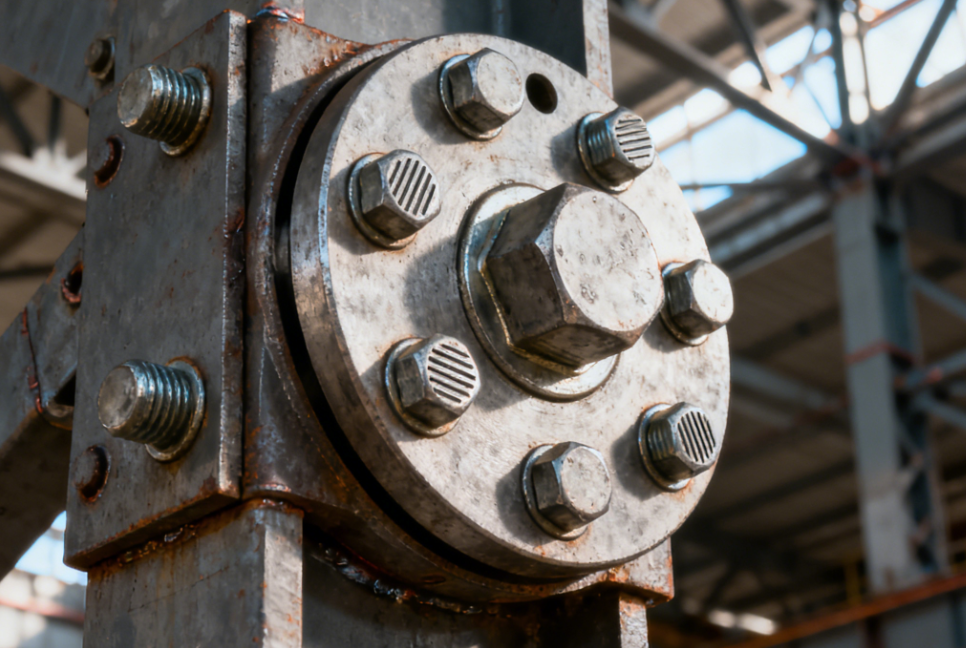
Flange bolts outperform many traditional fasteners in terms of stability, ease of use, and long-term reliability. Their unique integrated flange design gives them an edge over standard bolts, bolts with separate washers, and certain specialty fasteners. Engineers often choose them when vibration, heavy loads, or frequent assembly is involved.
Flange Bolts vs Standard Hex Bolts
Standard hex bolts often require separate washers to distribute load evenly, while flange bolts already include this feature. This allows flange bolts to handle stress more effectively across connected surfaces.
Load distribution comparison: Flange bolts spread pressure across a wider area, reducing stress points and material wear. Standard hex bolts concentrate force under the head.
Installation efficiency: Flange bolts save assembly time by eliminating separate washers. Hex bolts need additional alignment steps.
Maintenance requirements: Fewer parts mean flange bolts require less frequent inspection and replacement. Standard hex bolts often need more regular checks for loosening.
| Feature | Flange Bolt | Standard Hex Bolt |
|---|---|---|
| Load distribution | Wide and even | Concentrated |
| Washer required | No | Yes |
| Ease of installation | Faster | Slower |
| Maintenance | Low | Moderate |
Flange Bolts vs Bolts with Washers
Bolts paired with washers provide some load spreading, but flange bolts are more reliable over time. Washers can shift, wear, or fail, creating uneven pressure and loosening. Flange bolts reduce these risks.
Reliability differences: Flange bolts stay tight even in high-vibration environments. Washers can shift, reducing joint security.
Long-term durability: The integrated flange protects surfaces and maintains clamping force longer than separate washers.
Risk of washer wear or misalignment: Washers can degrade, bend, or misalign. Flange bolts eliminate these problems.
| Feature | Flange Bolt | Bolt + Washer |
|---|---|---|
| Reliability | High | Moderate |
| Surface protection | Excellent | Moderate |
| Risk of misalignment | Minimal | Higher |
| Longevity | Long-lasting | Washer may degrade |
Flange Bolts vs Specialty Fasteners
Specialty fasteners like lock bolts, high-strength bolts, and rivets are designed for specific tasks. Flange bolts offer a cost-effective alternative for many applications where extreme specifications are unnecessary.
When flange bolts are preferable:
Cost-performance balance: Flange bolts provide strong load distribution, vibration resistance, and easy installation at lower cost than many specialty fasteners.
Ease of use: Flange bolts require simple tools and minimal assembly steps, unlike some specialty fasteners that need precise equipment or additional components.
Versatile applications: Suitable for automotive, construction, machinery, and plumbing, flange bolts often match or exceed the performance of specialty fasteners in general-use scenarios.
| Feature | Flange Bolt | Specialty Fastener |
|---|---|---|
| Cost | Moderate | High |
| Ease of installation | Simple | Complex |
| Versatility | High | Application-specific |
| Maintenance | Low | Moderate to high |
Conclusion
Flange bolts truly stand out when it comes to creating secure and long-lasting connections. By combining a built-in flange with a strong hex head, they make assembly faster, reduce loosening, and protect materials from stress. Whether you’re working on machinery, vehicles, or construction projects, these bolts simplify your work while ensuring reliability under heavy loads and vibration.
For high-quality flange bolts you can trust, Jiaxing Goshen Hardware Co., Ltd. offers a wide range of options designed for durability and performance. Explore their products to upgrade your assemblies and experience the practical advantages of flange bolts in every project.
FAQ
Q: What are the advantages of a flange bolt in construction?
A: Flange bolts provide even load distribution across connected surfaces, reducing stress on structural components. Their integrated flange eliminates the need for separate washers, simplifies installation, improves joint stability, and ensures reliable performance under vibration or heavy loads commonly found in construction projects.
Q: What are the advantages of a flange bolt over a hex bolt?
A: Unlike standard hex bolts, flange bolts have a built-in flange that spreads pressure evenly, reduces loosening under vibration, and eliminates the need for additional washers. This design improves torque retention, joint stability, and overall installation efficiency compared to hex bolts.
Q: Are flange bolts stronger than regular bolts?
A: Flange bolts are not necessarily made of stronger material, but their design provides superior joint strength. The integrated flange distributes load more evenly, reduces stress concentration, and improves resistance to loosening, making assemblies more reliable than those using standard bolts.
Q: What industries benefit most from flange bolts?
A: Industries that experience high vibration, heavy loads, or frequent assembly work benefit most. These include automotive, construction, manufacturing, oil and gas, machinery, and plumbing industries, where reliability, safety, and efficient installation are critical.
Q: Can flange bolts be reused safely?
A: Yes, flange bolts can often be reused if they remain undamaged and threads are intact. However, it is important to inspect the bolt and flange surface for wear, corrosion, or deformation to ensure safe reuse and maintain proper joint performance.
