


How To Choose The Best Solar Panel Fasteners for Maximum Durability
Views: 0 Author: Site Editor Publish Time: 2025-03-27 Origin: Site


Choosing the right solar panel fasteners is crucial for ensuring long-term durability and efficiency. The right solar panel bolts and screws keep your system stable and performing at its best. In this article, we’ll discuss how to select the best fasteners based on key factors like material, corrosion resistance, and durability.
Key Factors to Consider When Choosing Solar Panel Fasteners
Material Composition
When choosing solar panel fasteners, it's crucial to select durable materials like stainless steel and aluminum. Stainless steel is highly resistant to corrosion and rust, making it ideal for outdoor conditions. Aluminum is lightweight and corrosion-resistant but may not provide as much strength as stainless steel.
As for solar panel bolts vs screws, bolts offer superior strength and stability, especially in areas exposed to heavy winds. However, screws are often easier to install and are perfect for smaller-scale projects or roofs with limited space.
Corrosion Resistance
Corrosion is one of the top concerns for solar panel fasteners. Fasteners need to withstand environmental conditions like rain, snow, and saltwater exposure. Corrosion resistance helps prevent wear and tear, ensuring your solar panels stay secure for years. Materials like stainless steel and aluminum are best suited for these conditions.
Durability and Strength
The durability of solar panel fasteners affects the long-term performance of your solar system. Fasteners must be strong enough to withstand vibrations, wind, and weather. High-strength fasteners ensure that the panels remain securely in place, preventing them from shifting or loosening over time.
Compatibility with Mounting Systems
Different mounting systems require specific solar panel fasteners. For roof mounts, you may need fasteners that can penetrate roofing materials without causing leaks. For ground mounts, fasteners should be robust enough to withstand soil and weather conditions.
The bolt screw difference is also essential here. Bolts tend to be better for securing heavy loads, while screws are more versatile for lighter, quick installations.
Types of Fasteners Used in Solar Panel Installations
Hex Bolts and Nuts
Solar panel bolts like hex bolts and nuts are widely used in traditional racking systems. They provide a strong, reliable connection, ensuring the panels stay secure over time. Hex bolts are especially useful for installations where durability and resistance to the elements are crucial. Their design allows for easy tightening, making them ideal for outdoor applications.
Lag Bolts and Screws
Lag bolts and screws are perfect for mounting solar panels to wooden or metal frames. Their large, threaded design ensures a firm grip, preventing the fasteners from loosening due to wind or vibrations. These fasteners are especially popular in residential solar installations, where wood is a common mounting surface.
Self-Tapping Screws
Self-tapping screws are ideal for attaching brackets to metal surfaces without needing to pre-drill holes. The sharp threads allow them to cut into the material easily. These fasteners are commonly used in roof mount installations where metal roofs are prevalent. Their convenience saves time during the installation process.
Clamps
Clamps play an essential role in securing solar panels to mounting rails. They come in various sizes to fit different panel dimensions. These fasteners help keep the panels tightly in place, preventing movement. Clamps are especially useful for rail-based systems, providing a stable base for the panels.
Adjustable Feet and T-Bolts
When solar panels are mounted on uneven surfaces, adjustable feet come into play. They allow the panels to be leveled, ensuring the best angle for solar energy capture. T-bolts are then used to secure these feet, providing additional stability. This combination helps maintain the long-term durability of solar installations, even on uneven or sloped terrain.
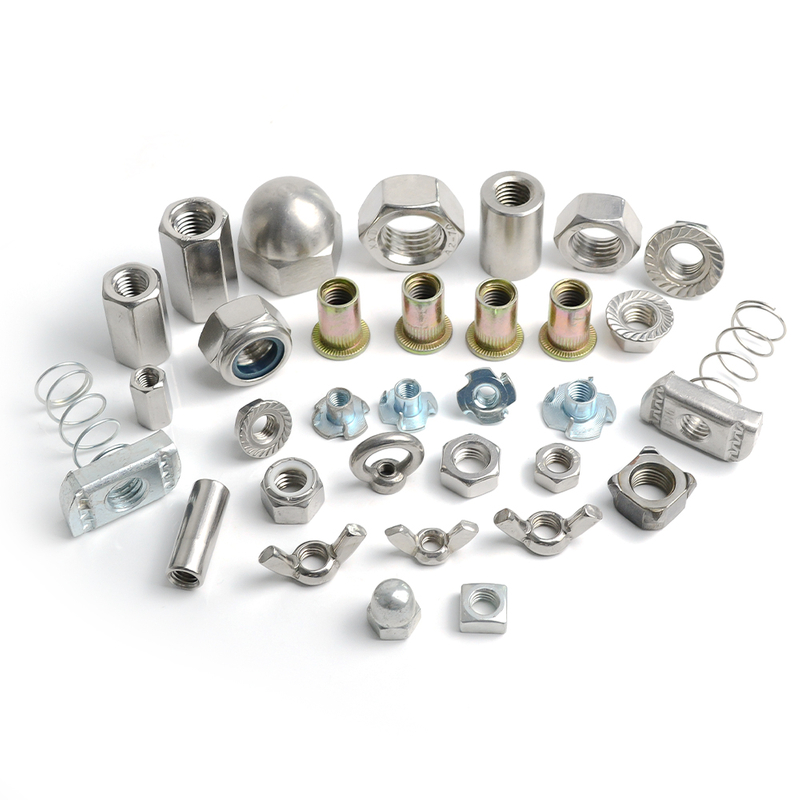
Top Fasteners for Solar Panel Installations
Recommended Fasteners for Long-Term Solar Panel Installations
When it comes to solar panel fasteners, choosing the right type can make all the difference in ensuring long-term durability and performance. There are a few key fasteners that stand out for their reliability and strength in solar panel installations.
Stainless Steel Fasteners
Stainless steel fasteners are the go-to choice for many solar panel installations. Their corrosion resistance makes them ideal for outdoor conditions, where they will be exposed to various weather elements like rain, snow, and sunlight. Stainless steel is incredibly strong, offering long-lasting durability and preventing rust or damage from environmental factors.
Whether you're mounting panels on rooftops or ground installations, stainless steel fasteners hold up well over time. They are known for maintaining their strength even after years of exposure to harsh conditions, ensuring your solar panels stay securely in place.
Specialty Fasteners
For a more advanced option, consider specialty fasteners like Swagebolt Pins & Collars. These fasteners are designed to provide tamper-proof security and ensure high-clamp connections that stay intact under pressure or vibration. They're especially useful in large-scale solar projects where reliability and security are top priorities.
Another example is self-piercing screws, which can quickly secure solar panel brackets to metal surfaces. These screws are efficient because they don’t require pre-drilling, making installation faster. Their design helps minimize damage to the materials being fastened while providing a strong, secure bond.
Both types of fasteners offer unique benefits, and selecting the right one depends on the specific needs of your installation project.
Common Mistakes to Avoid When Choosing Solar Panel Fasteners
Using Incompatible Fasteners for Mounting Systems
One common mistake is choosing solar panel fasteners that don’t fit the mounting system. Using the wrong fasteners can cause instability, leading to damage. For example, bolt screw difference can create problems. Bolts provide more strength for heavier panels, while screws may not hold as securely. Always match the fasteners to your system’s needs to avoid unnecessary repairs.
Overlooking Corrosion Resistance
Neglecting corrosion resistance in solar panel fasteners is another mistake. In coastal or humid environments, this can quickly lead to rust and weakened fasteners. Corrosion-resistant materials like stainless steel or aluminum are essential to ensure your fasteners last, even in challenging weather conditions. Don’t risk compromising your solar system’s integrity.
Failing to Consider Weight Capacity
Not considering the weight capacity of solar panel fasteners can also be a costly error. Different panels weigh different amounts, and your fasteners need to support this weight. Fasteners with insufficient capacity can fail over time, leading to panel instability. Always check weight limits to ensure safe, long-lasting installations.
Conclusion
Selecting the right solar panel fasteners is crucial for long-term durability and system efficiency. Durable, corrosion-resistant fasteners are essential for reliable performance. Always ensure they are compatible with your mounting system. Prioritizing quality fasteners ensures your solar panels stay secure and efficient for years.
FAQs
1. What are the best materials for solar panel fasteners?
The best materials are stainless steel a due to their strength and corrosion resistance, especially in outdoor environments.
2. Why is corrosion resistance important in solar panel fasteners?
Corrosion resistance is essential to prevent rust and degradation of the fasteners, which can weaken the system and cause damage over time.
3. Can I use any fastener for solar panel installations?
No, it’s important to use fasteners specifically designed for solar panel installations, ensuring compatibility with your mounting system and environmental conditions.
